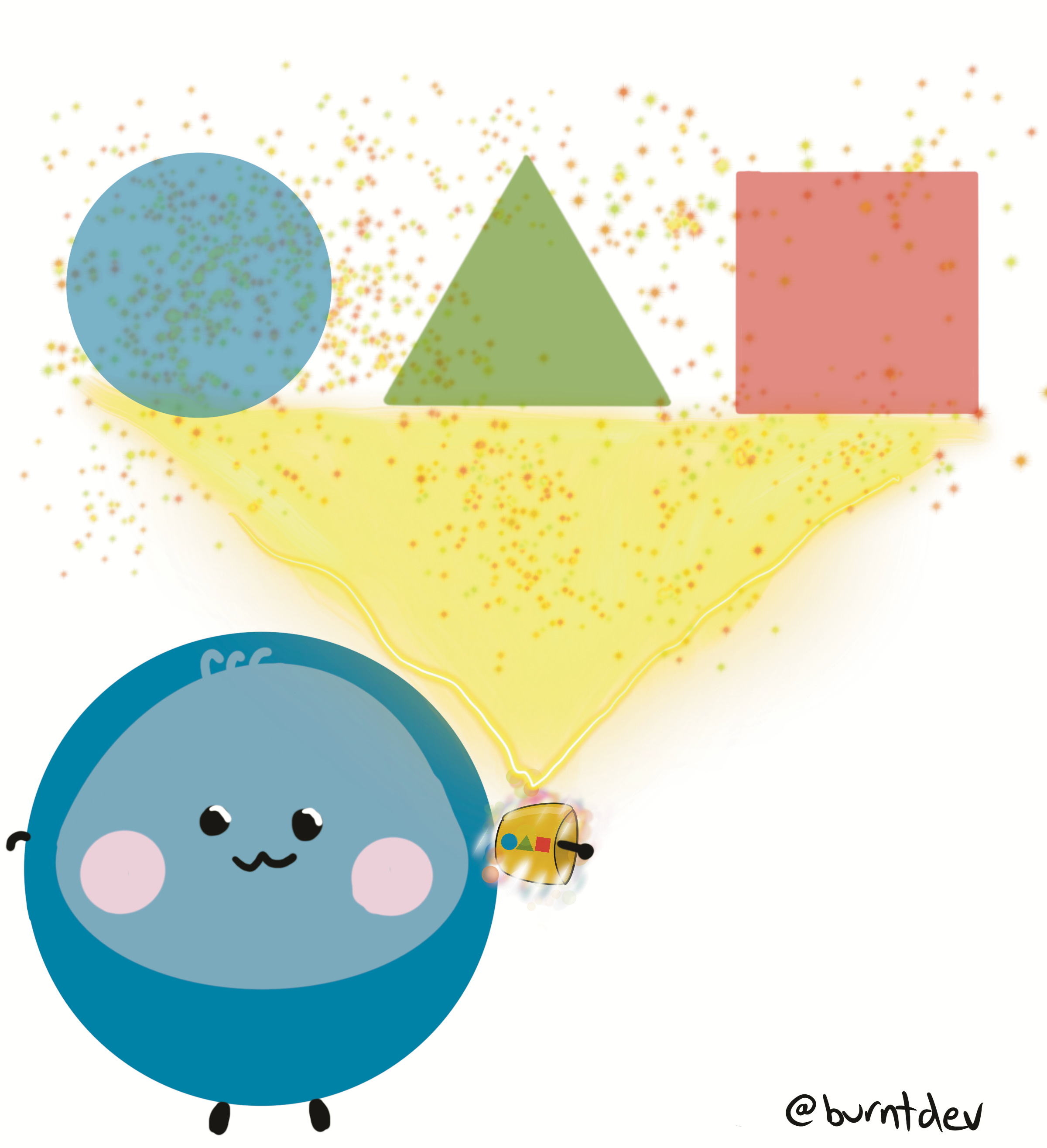

Meet Circelle

Circelle was exceptional at fitting through circles. So exceptional, she became known for it.
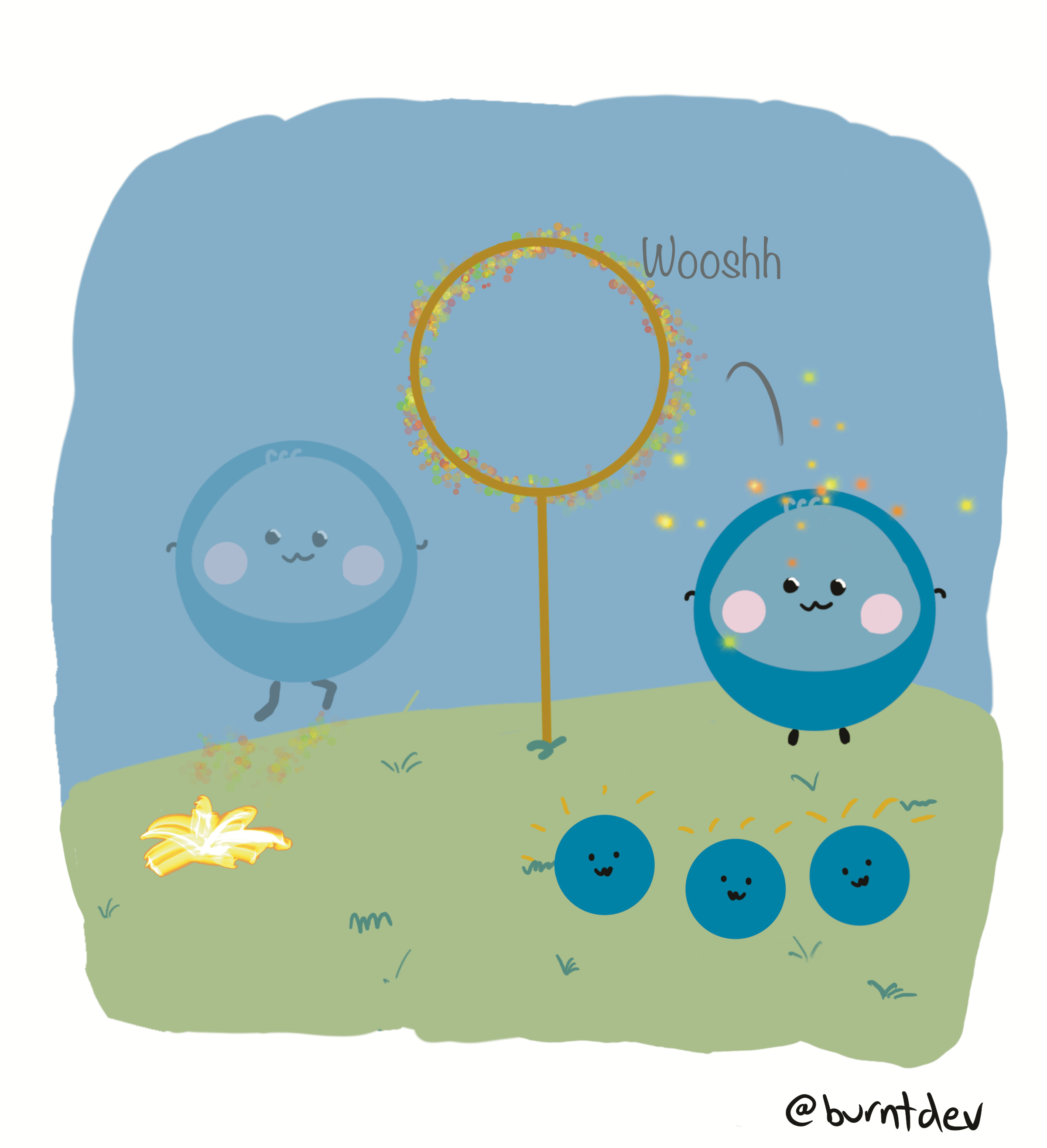
One day Circelle was applying for a job. She was interviewed by the hiring manager, Squar-emy. Squar-emy is impressed that Circelle is so good at jumping through circles.
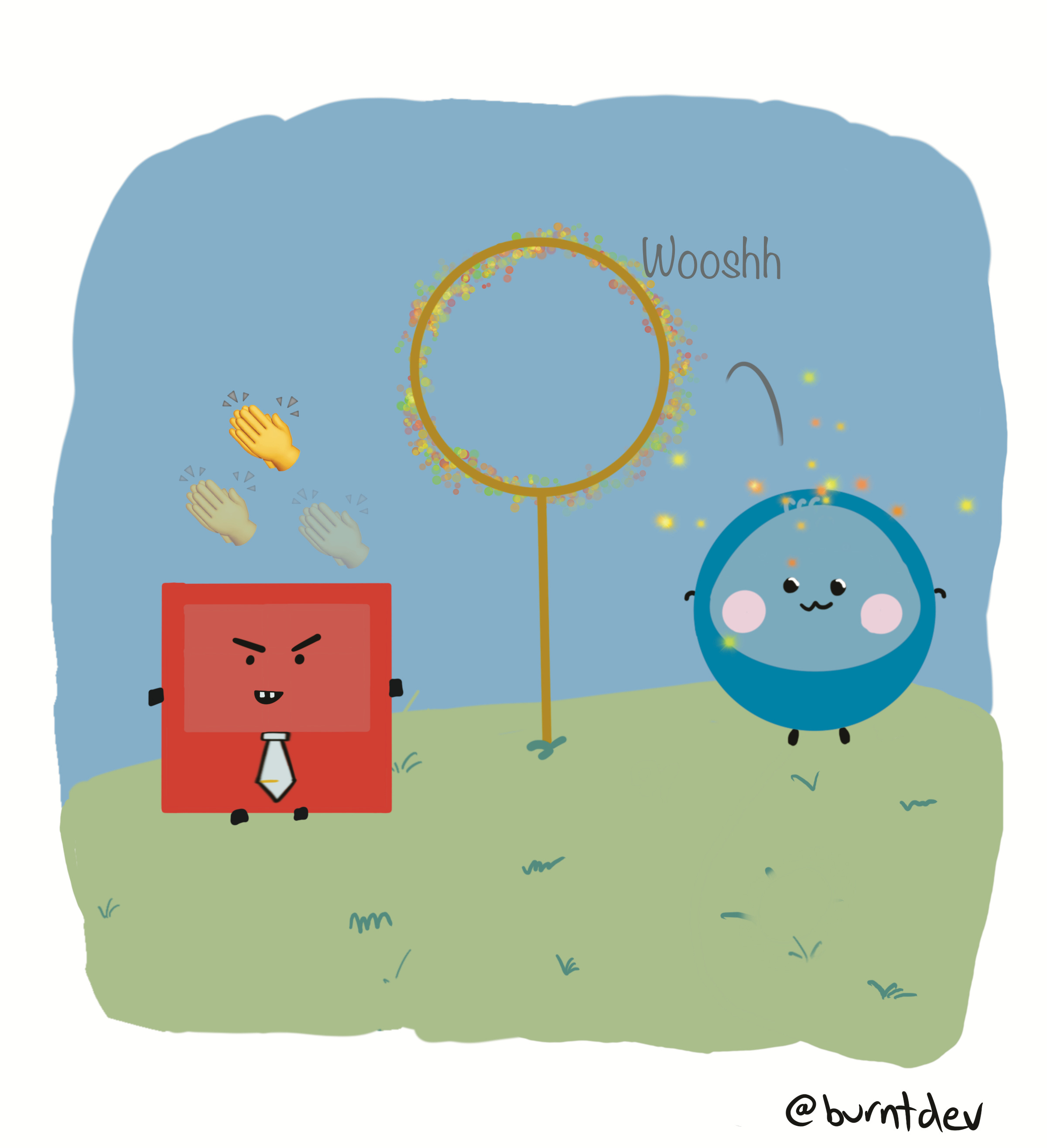
Knowing that this is a rare talent, Squar-emy hires Circelle.
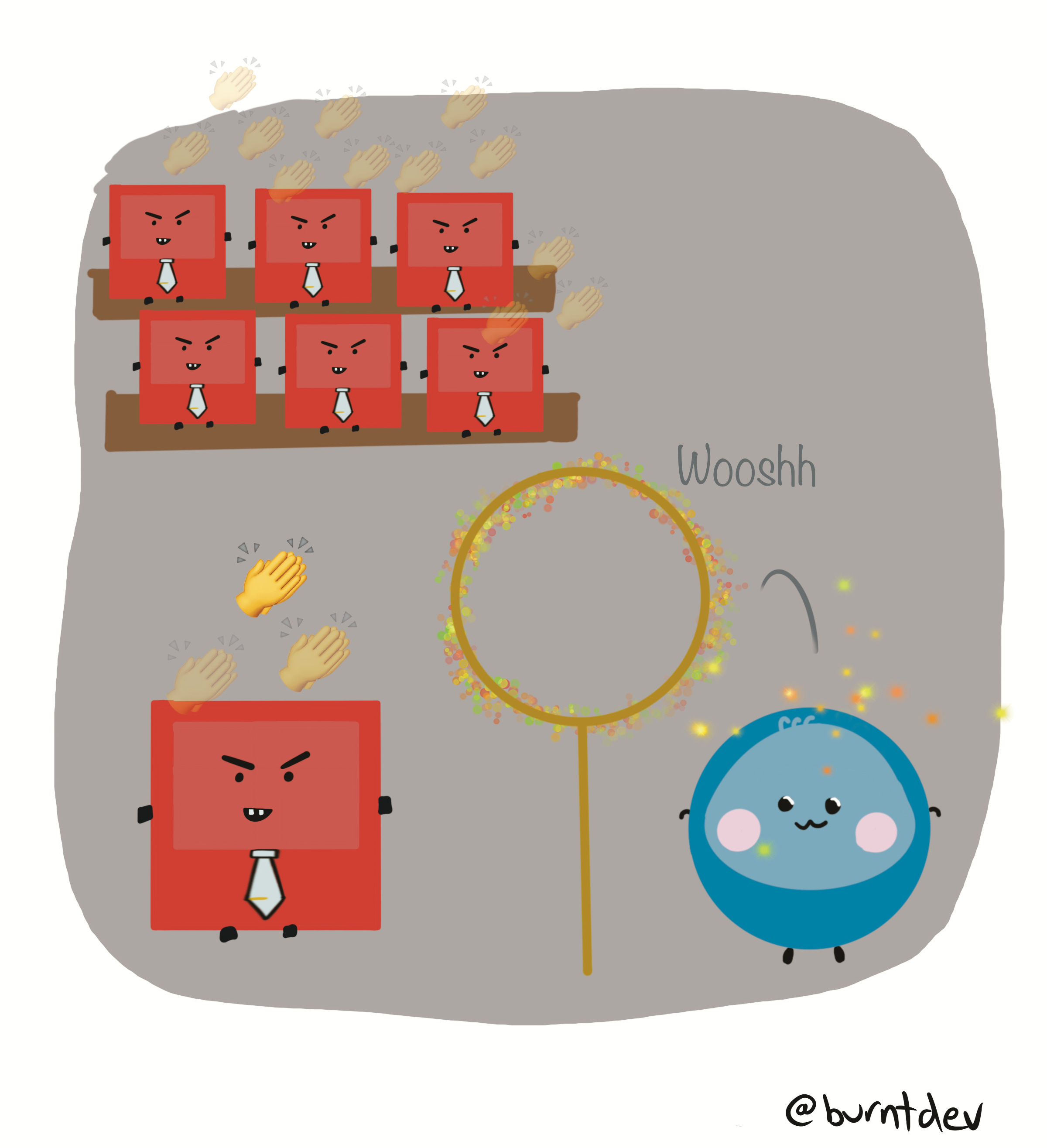
Excited to be in this company, Circelle starts her first day of work. Every time she jumps through a circle, the leaders get very delighted.
One day, Squar-emy then asks Circelle to jump through a square hole instead.
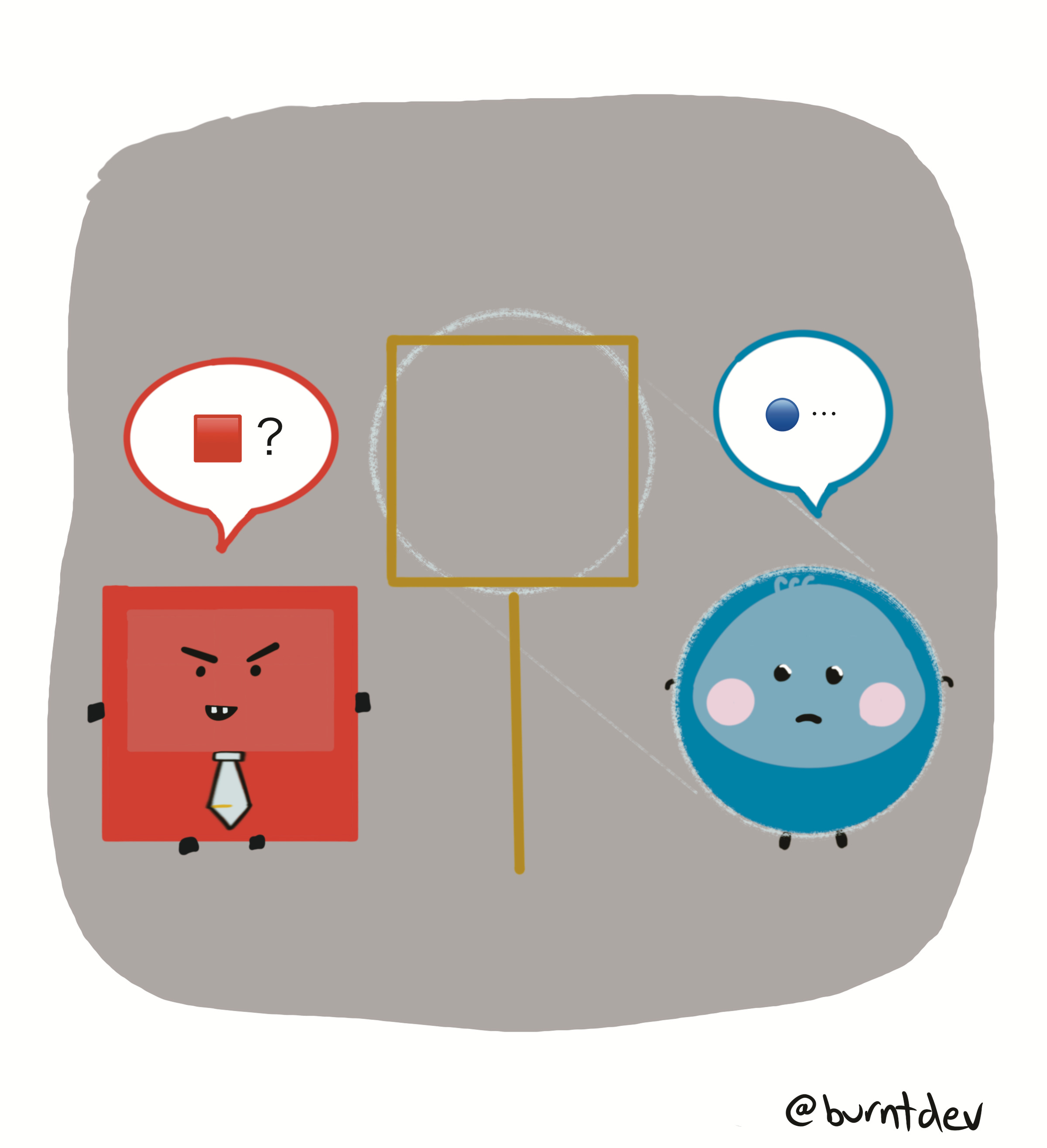
Circelle tries and tries but has not successfully fit through the square hole. This is when the honeymoon phase of her new job ends.
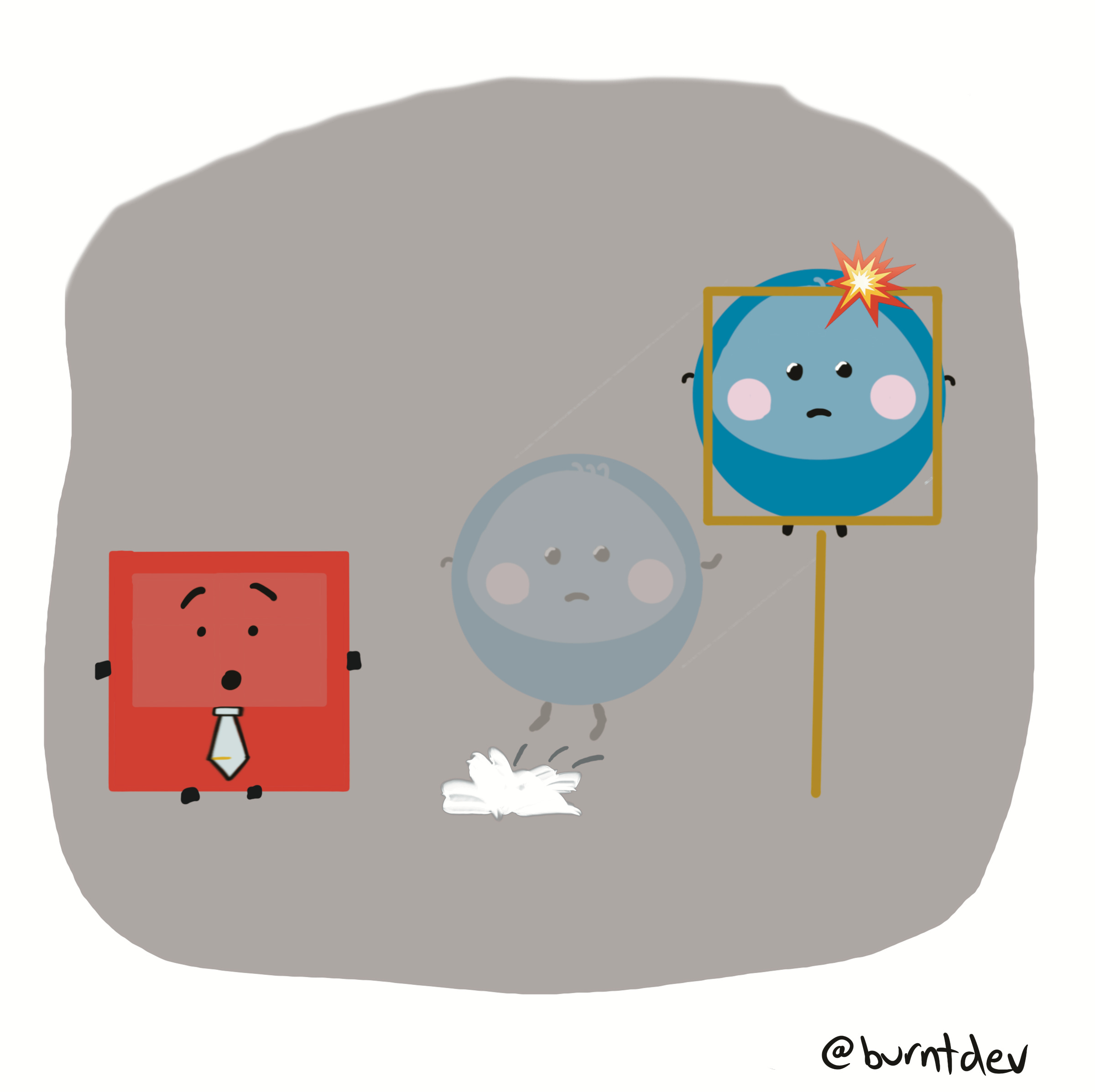
Squar-emy then shares his concerns with Circelle. Her performance with square holes is lacking and that she needs improvement in that area.
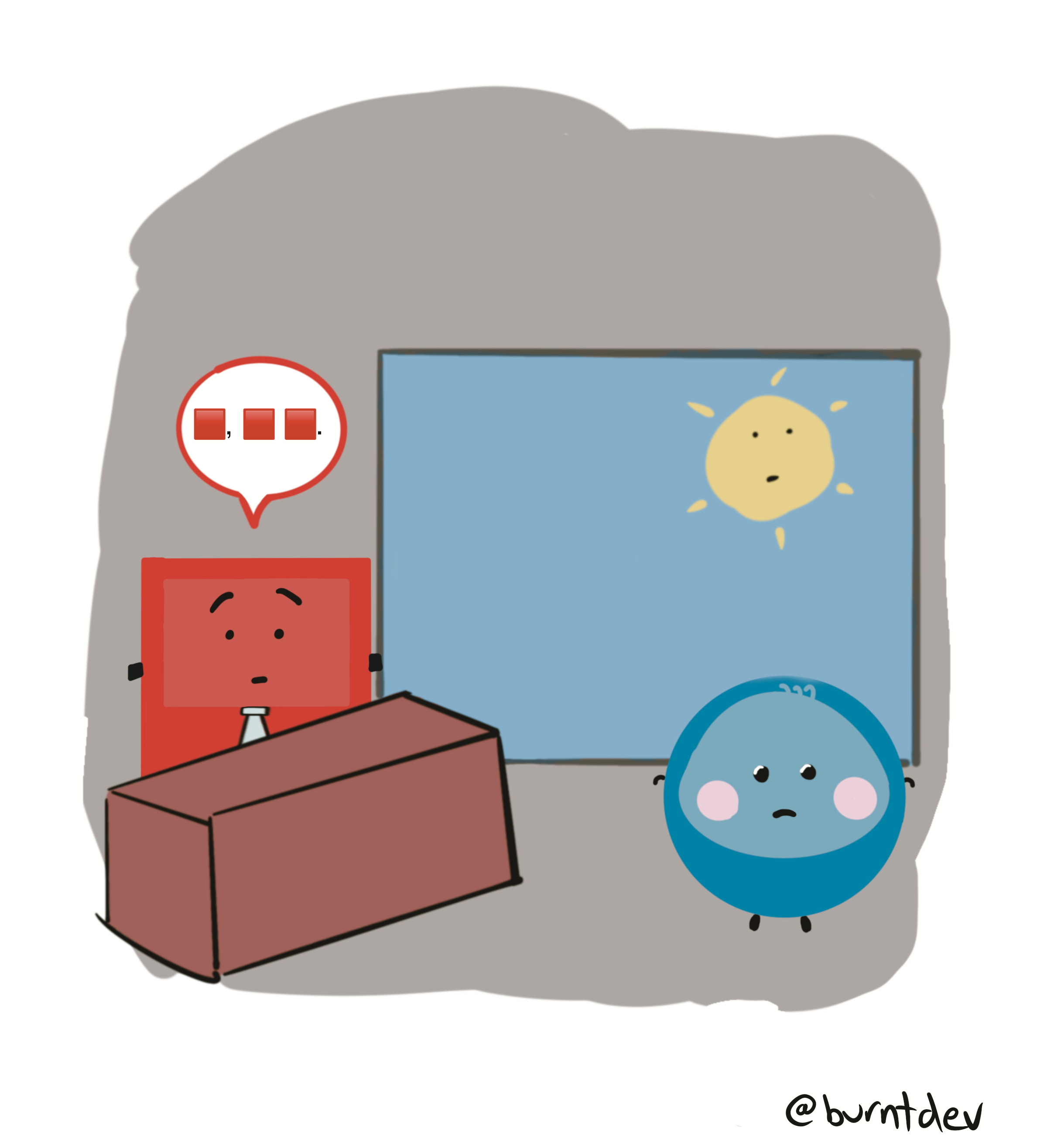
Concerned with her job security, she then turns to other teammates to see how they adjust.
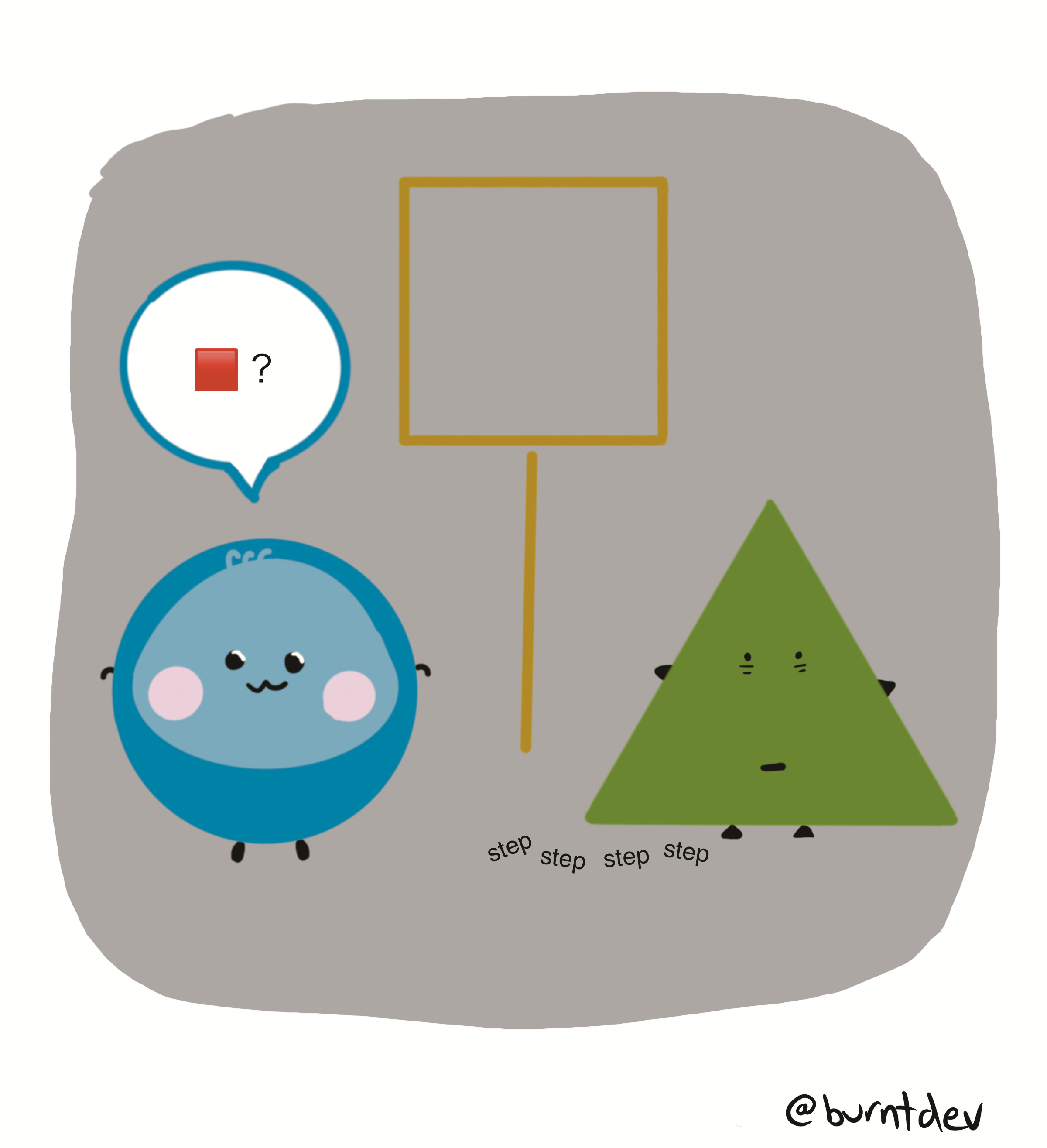
As she sees other shape people, she becomes disheartened. They were able to fit the squares easily, but they no longer looked like themselves.
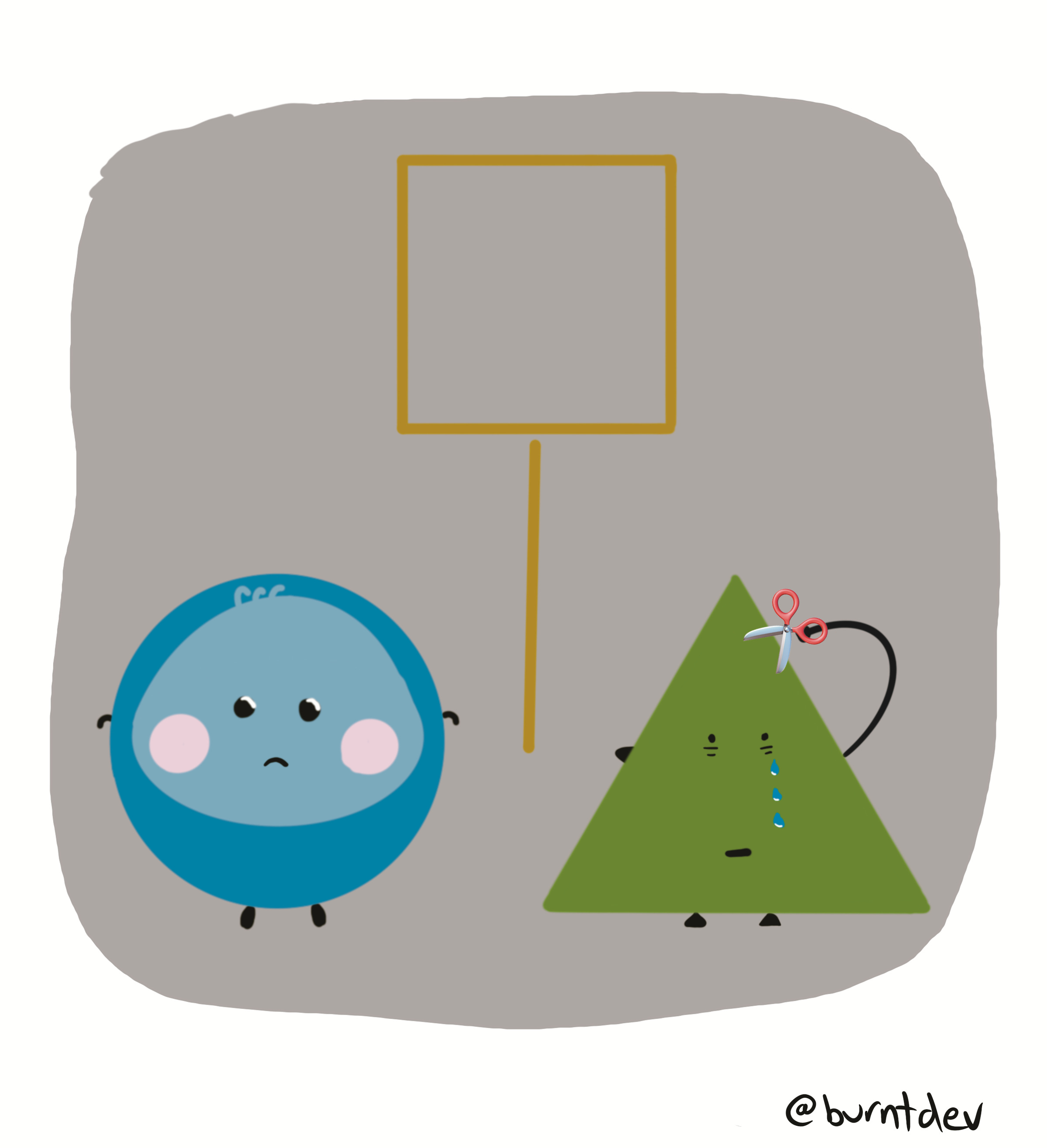
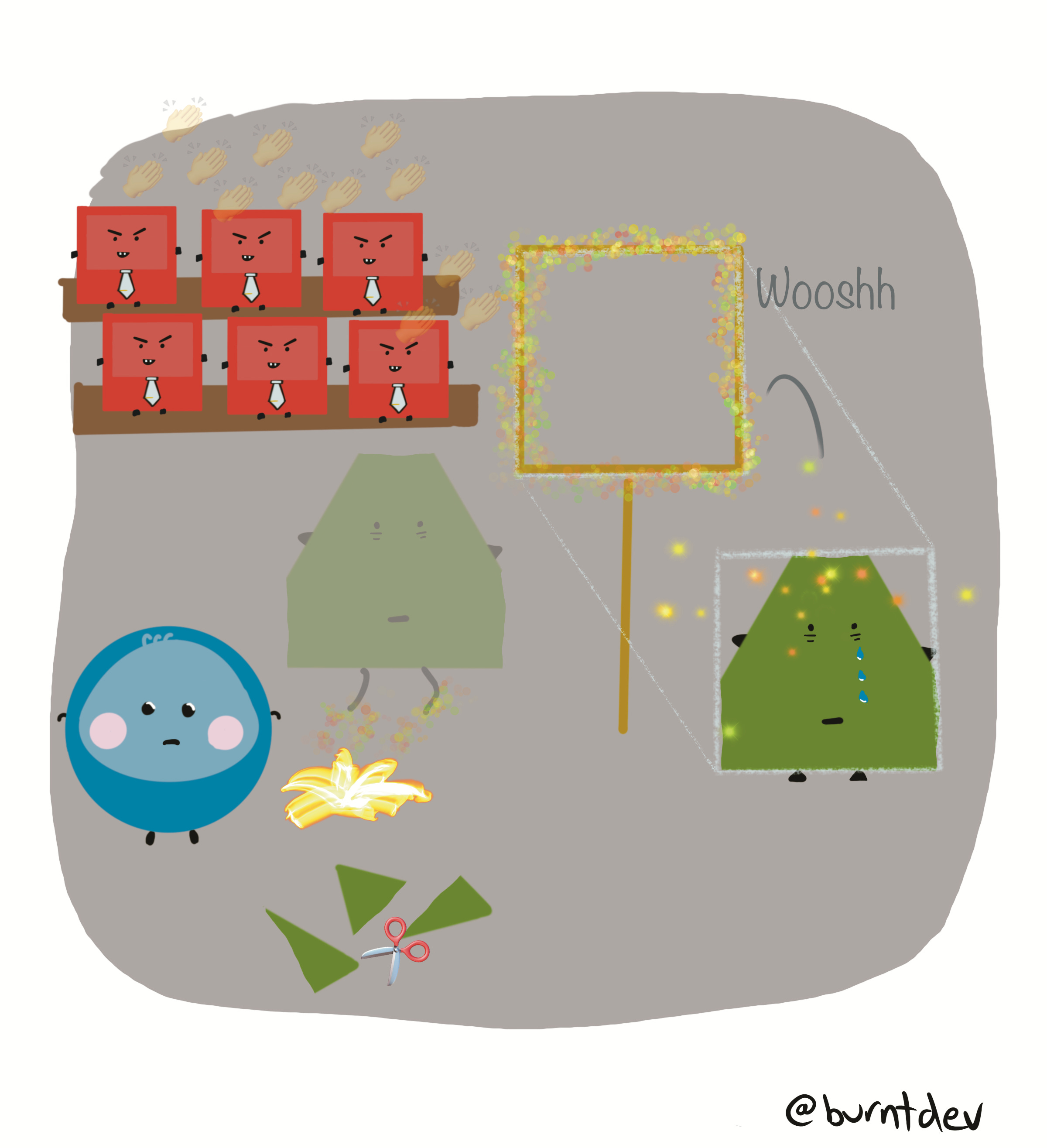
Circelle looks at the scissors.
Then at the square hole in front of her.
Everyone else moves through effortlessly. No friction. No resistance.
She hesitates.
If she doesn’t cut, she won’t fit.
If she cuts, she won’t be the same.
The room keeps moving.
Slowly, she reaches for the scissors.
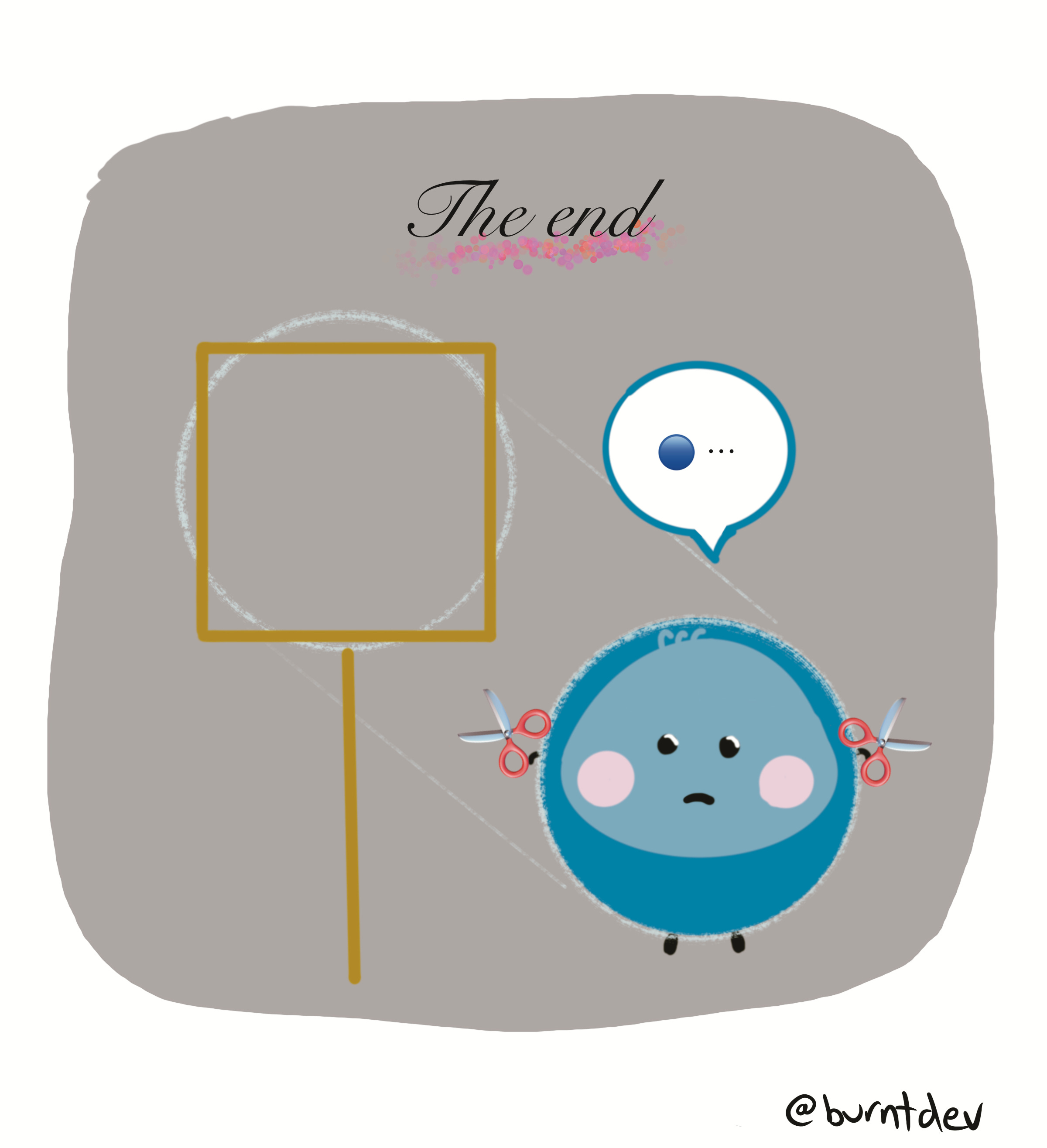
And that’s how it happens.
Iteratively, swiftly, quietly.
New company, new rules
When you join a company, you’re not entering a blank canvas. You’re stepping into a structure that already exists. Employees often adapt to company norms without realizing how much they’re being shaped by them.
Like Circelle, you have been hired because you brought something new to the table. Management sees value in your skills but may not always be aware of how to utilize you in their current workflows. Meanwhile, Squar-emy only knows how to jump through squares. It has been a proven playbook throughout his career, so why not keep doing what’s familiar.
While everyone else may have developed habits jumping through square holes, they themselves start losing ownership in how they do things. It’s simply an assembly line of getting tasks done and they start to lose the most important question behind these tasks.
“Why do it this way?”
This is naturally the first question that would come to mind for a newcomer and is naturally the last question long-term employees would ask. “It’s because it’s always been this way”.
If you were in this situation, what would you do? Have you had a Squar-emy in your life? Perhaps you’ve also felt pressure from a Squar-emy to do things their way. You can use the scissors like Circelle and reshape yourself, but one day, leadership may question why you can’t jump through circle holes anymore. I mean, they hired you for that ability.
Culture Clash
As a new employee, you feel the pressure immediately. Adapt quickly or risk being labeled underperforming. Push back too hard and risk being seen as abrasive.
If we choose to conform, we lose agency. If agency fades away, problem solving becomes mechanical. What’s easily lost in companies is that there are different ways on “how” to get things done. Each playbook should depend on every unique circumstance. And that usually starts with asking “Why?”.
There’s a time and place for square holes as much as there’s a time and place for circle holes. Let me give you a real example for this.
Working Harder vs Working Smarter
There was a company that cared about delivering results fast. “How” it achieved delivery was through nights and weekends.
Does the product have a lot of scope?
Did it start small but later had scope creep?
Didn’t matter, because the nights and weekends would cover that. This has worked throughout this company’s existence.
As a new employee, I felt pressure to cut myself into the shape of the company. I believed in sustainable delivery. They believed in relentless delivery.
As a manager, it was even harder. I wasn’t just pressured to conform. I was expected to model it.
I had seen firsthand what happened to those who challenged the playbook. They disappeared quietly.
So the real question wasn’t, “is this the best way?”
It was, “is this a battle worth risking my job for?”
Everyone around me accepted it as normal. Challenging it would have made me the problem.
The company was a startup in pursuit of revenue. Whether if revenue was certain or theoretical behind a new product, there was a high sense of urgency to deliver. The foot was always on the gas pedal because there was a constant need for company survival.
For this playbook, the accepted trade-off was: speed now, debt later.
As for me, working nights and weekends was not “how” I prefer to deliver fast. My alternative wasn’t to work less. It was to question more. Tighten scope. Prioritize impact. Deliver fast without defaulting to exhaustion.
When I work this way, I have more time for best practices as well as more time to ensure a quality product.
From experience, when I was coerced to rush a delivery, I end up tripping over myself. Technical debt and bugs end up slowing down development.
As I mentioned, there is a time and place for which playbook to follow. I’d be lying if I said I never worked nights and weekends, but it depends on the situation.
When a genuine crisis hits, I choose to push hard. But it’s a choice, just not my default, because I’d rather not burn out.
Reflection
Looking back, this was never about hard work versus smart work. It was about identity.
In this specific example, I was concerned whether my manager would harshly critique my performance. However, since I achieved quick results, the “how” behind the delivery proved to be irrelevant. The results made the argument for me. And my manager acknowledged that my approach had merit.
Not every leader values outcomes over conformity. Some value predictability more than possibility.
Being able to regain agency, I was able to continue delivering on my own terms. Along with this agency, I did occasionally choose to work harder given the circumstances.
Scale your personal toolkit
Understanding where company expectations end and personal boundaries begin is a skill, and one worth practicing.
“Awareness of choice doesn’t remove pressure,
but it does return ownership of the decision to us.”
When you face a culture clash, it actually isn’t as simple as adapting or conforming to different practices. Agency isn’t about refusing to adapt. It’s about choosing when and how you adapt. So then instead of feeling pressure to change yourself, how about you change your toolkit.
There’s a difference between reshaping yourself and expanding yourself.
One is survival. The other is growth.
So instead of changing Circelle, give her a utility bracelet.

The scissors take away.
The bracelet adds.