

Imagine
Imagine being in a high performing team in the workplace. Your project has high visibility because it introduced a new revenue stream for the company. In each demo, your team is acting as role models and has built a reputation for building fast. Besides meeting product deadlines, you’re also disciplined in following engineering best practices.
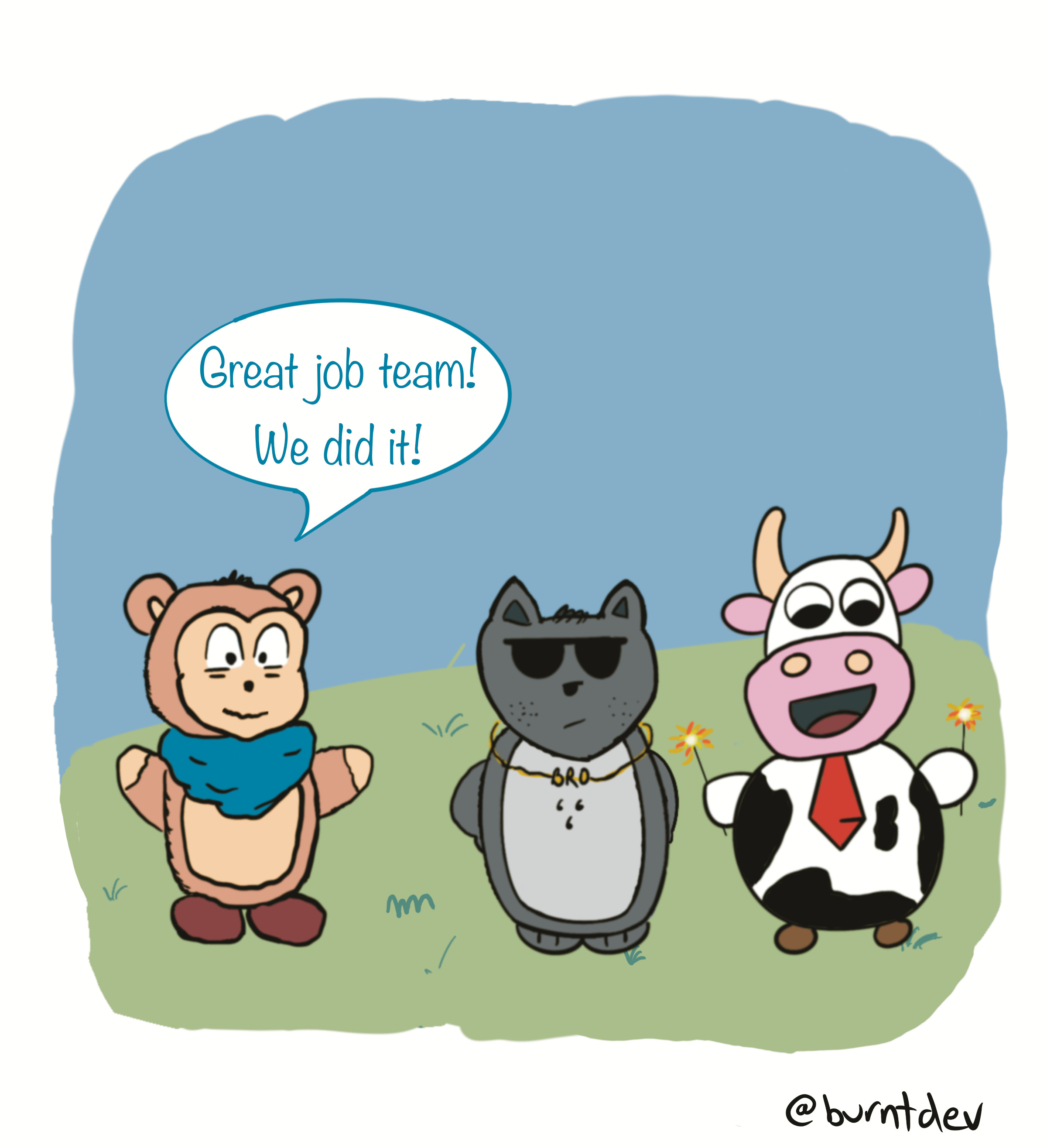
Imagine the project was one of the finest executions you’ve experienced in your career. Executives in the company are impressed with the output. You are driven, trusting in your capabilities and in the team’s ability to make a difference in your company.
Imagine expecting a hefty raise for such a stellar year, but instead of a raise, you get a severance package. In fact, majority of your team got a severance package as well. By the way, this is not a hypothetical situation. This happened to me.
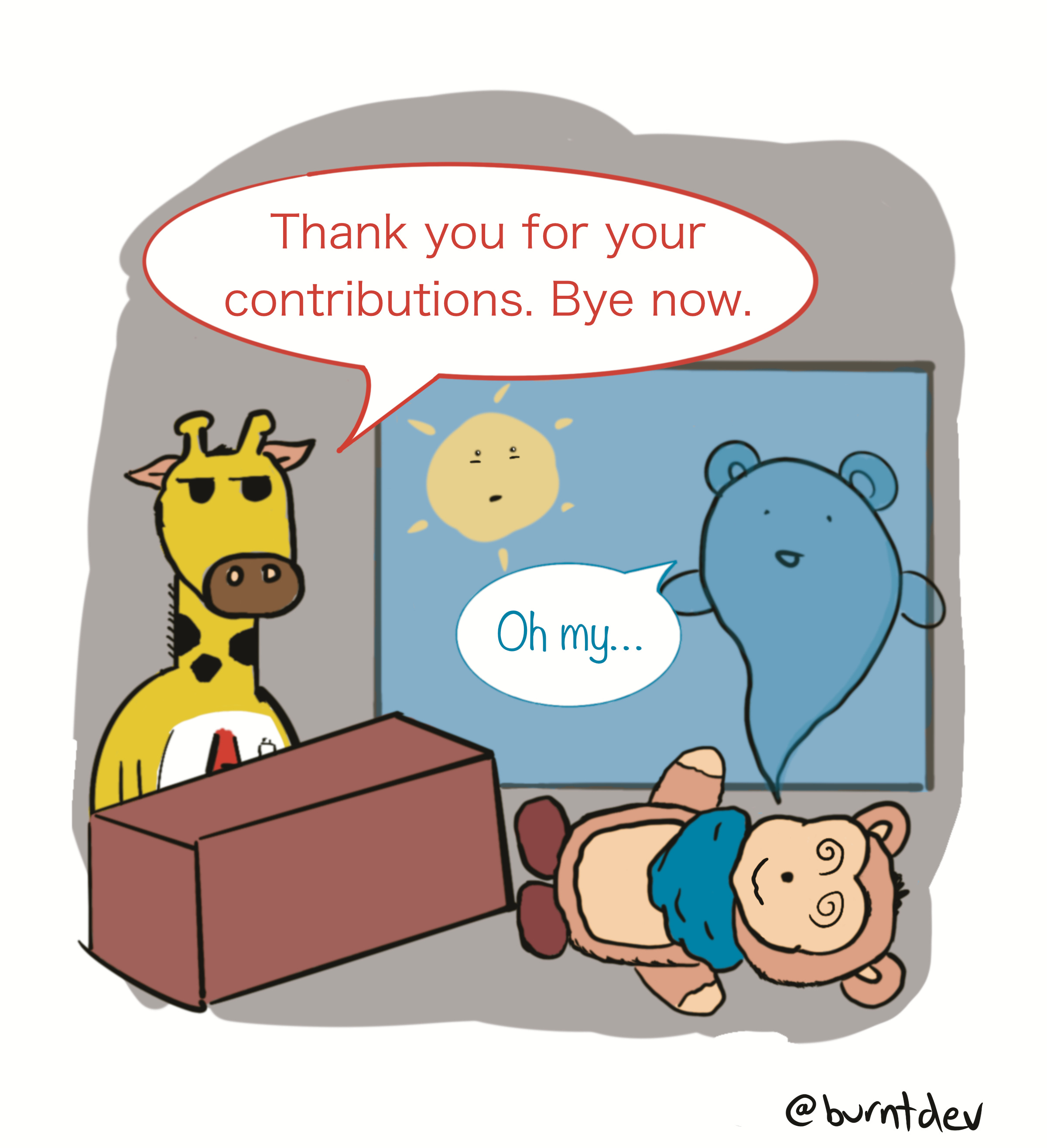
Being laid off is such a multi-layered experience. HR tells you that you did well, but then explains the company must cut costs… So you’re being told you did a good job but it made no difference... Shortly after the call, the company cuts off your access. You are left with nothing but an infinite loop of questions.
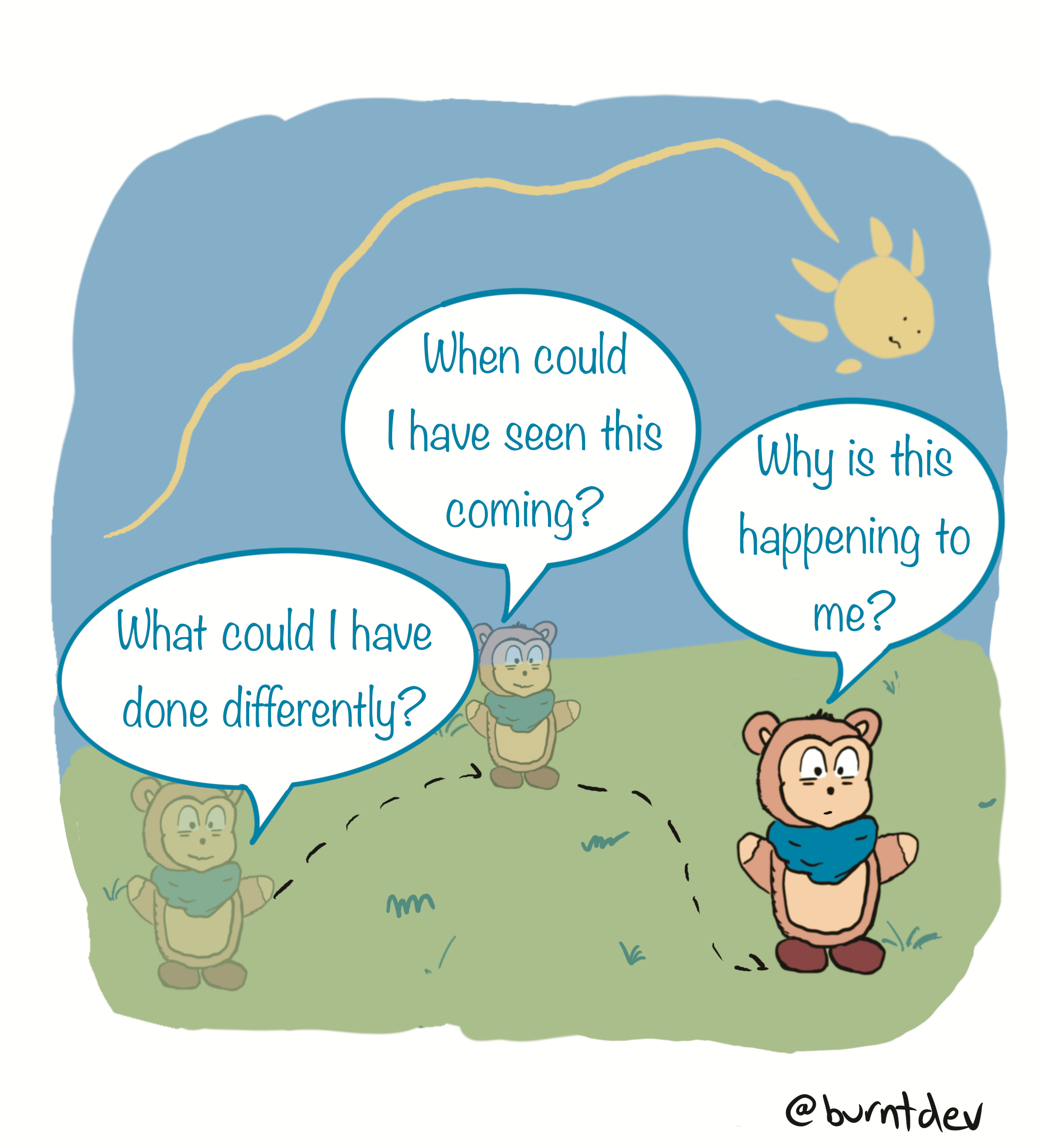
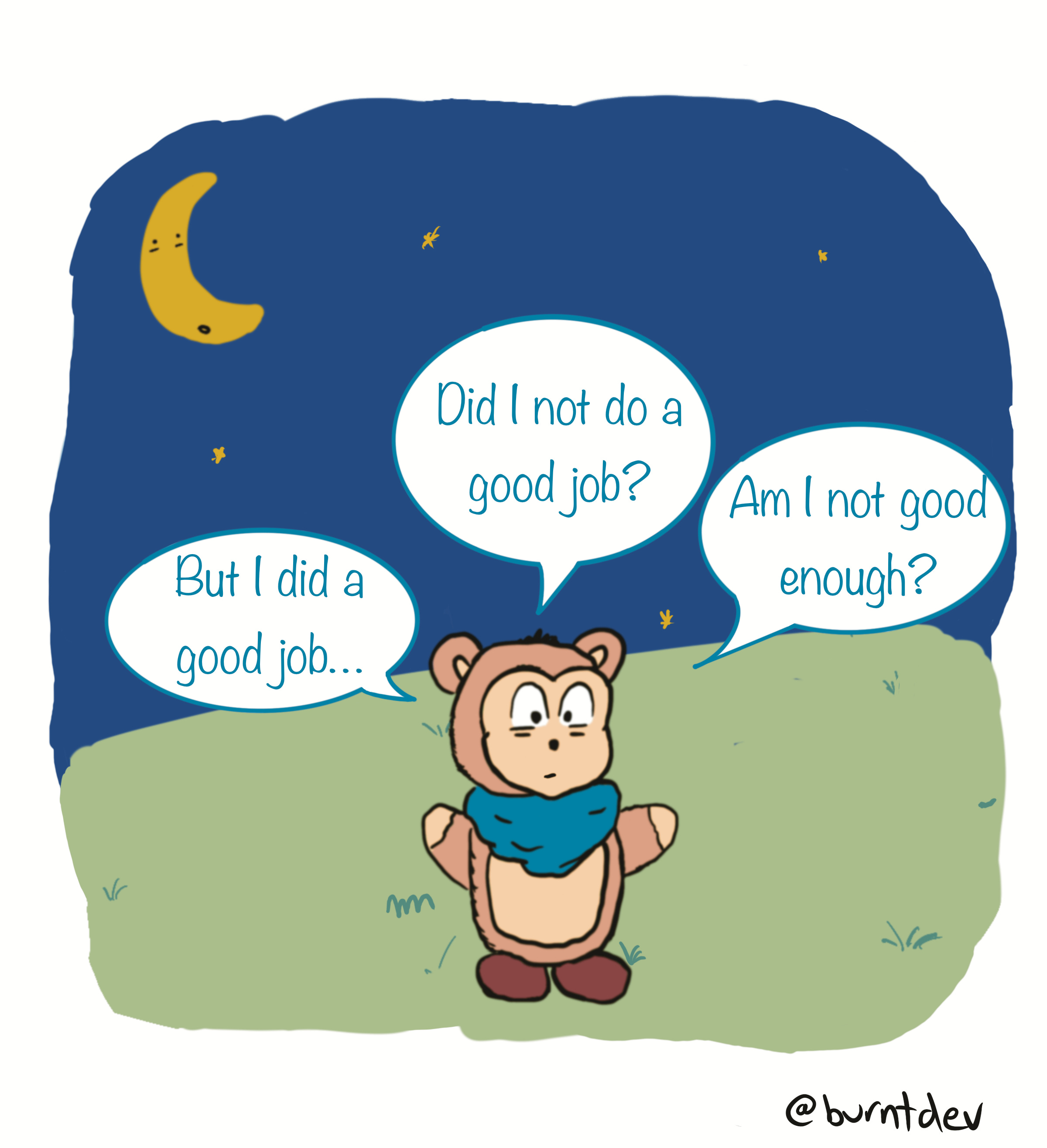
Imagine if this happens to you someday. How would you process this experience? Layoffs are quite common nowadays. Perhaps you have already experienced this right of passage in your life. While digesting this experience, I re-evaluated my insecurities and ruminated a lot about all recent events that led up to this sudden lay off sneak attack.
As I try to imagine being in the shoes of the company, it leads me to this annoying phrase:
“It’s nothing personal. It’s just business”
Why does it feel personal though? It’s because my livelihood is impacted. It’s because my naive belief in meritocracy is challenged. Is meritocracy a lie?
Nobody enjoys layoffs. You either are the one laid off, the one doing the layoff, or simply the one who remains with survivor’s guilt. Now that I’ve taken a couple of weeks processing my recent experience, I would like to revisit my relationship with work. I want to share with you my breakdown of a company/employee relationship. If you are interested to continue on with me, I will first walk you through how these relationships begin. If we can better understand this relationship, perhaps there’s hope for us to establish “healthy” relationships with work. It would be nice to not feel pressured to owe a company my life, after getting hired or after surviving a layoff. I mean, why should I feel obligated to sacrifice more? From the other end, I’m certain that companies do not share that same obligation of commitment.
Your first date with the company
Interviewing at a company is the same as dating a new person. When you first apply for a new job, it’s typical to read up on their mission statement. You’re naturally curious and can sometimes even be excited to start this new chapter. Of course, you are finding a job that will pay for your livelihood. However, if you share common values and interests, it’s easier to endure the challenges of work because you established a connection with work. And with that connection, work becomes more meaningful.
Connections
Some people may be able to associate personal history to the mission statement, the company’s dream if you will. It’s quite easy to become passionate about work if the company’s dream is aligned with your own personal values. These types of connections tend to be initiated by the individual.
If not manifested from within the individual, companies find ways to manufacture that connection. They do this by pitching their dream to the employee. I myself have been in companies that had a “cult”-ish community. There may be all-hands meetings where customers may show up for a scripted interview or where there was a pre-recorded video of customers thanking the company for making a difference. As quoted from the TV Series “Silicon Valley”, companies love to “make the world a better place”.
As the organization spends effort to encourage employees to inherit their dream, middle-management and upcoming leaders are tasked to champion company core values to their teams. Besides indirect encouragement, there is also direct encouragement as some companies assess employee performance against how aligned they are with core values.
Once aligned with core values and the dream, the connection is now established. Employees are now driven to deliver work effectively… Working harder, working smarter, pushing your work family to the promised land... together off in the sunset. This is why “Company Culture” exists.
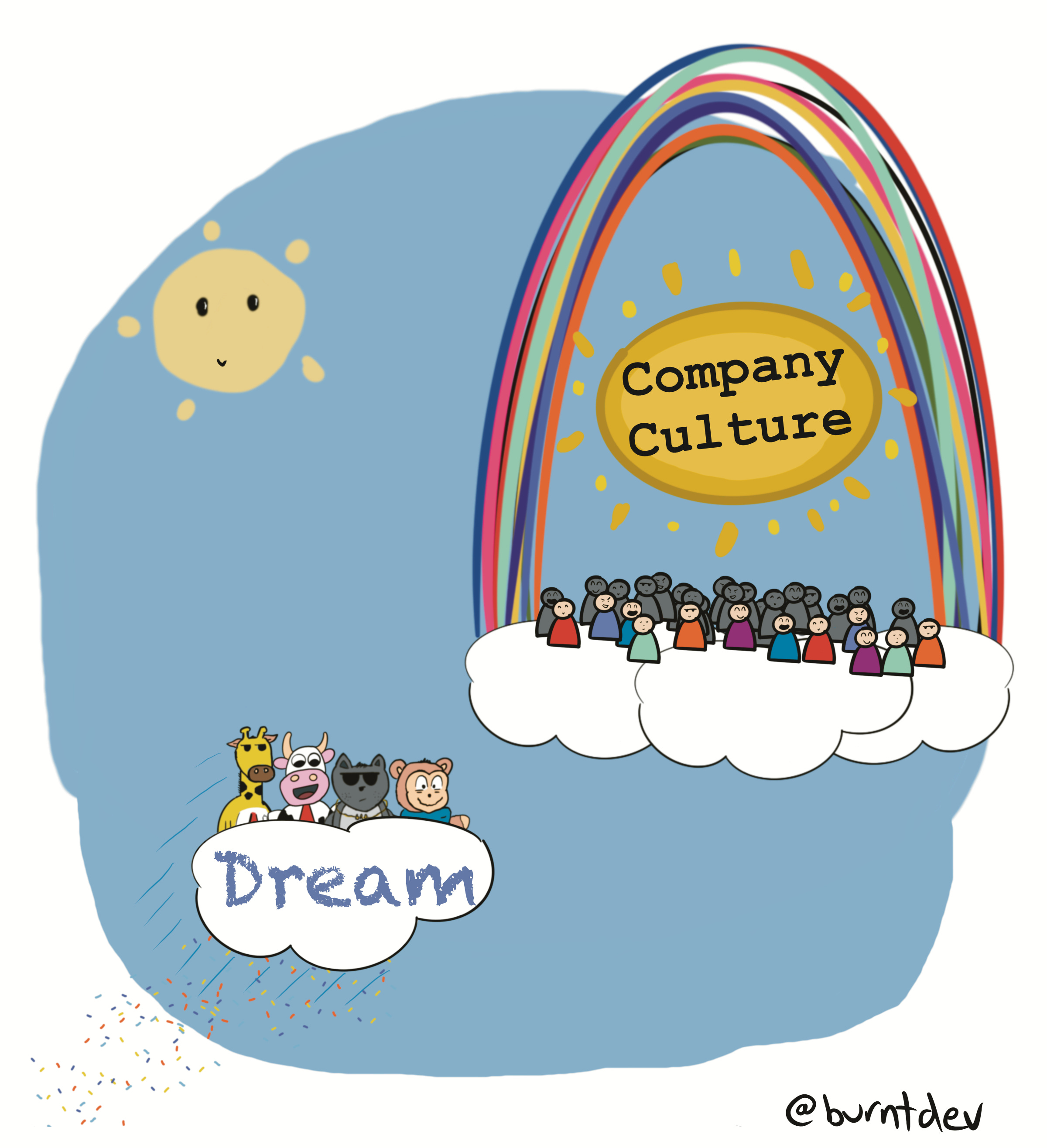
With company culture, employees believe they are “owners” of the impact. As teams bond over success, they begin to develop a kinship, transforming a workplace into a “work family”. Feeling like a part of something bigger than themselves, the work family positively reinforces each other as they help the company make more money. Oh, and of course, this helps the company make the world an even better place.
The Hard Truth
This is where I have some bad news to share with you. You do not own this dream. The company does. As an employee, you were granted privileges to borrow this dream. As for the work family, that’s not always a cozy group. Some people would say “the difference between a work family versus your real family is that you get to choose your work family”. Companies own that too. You’re family until you’re not.
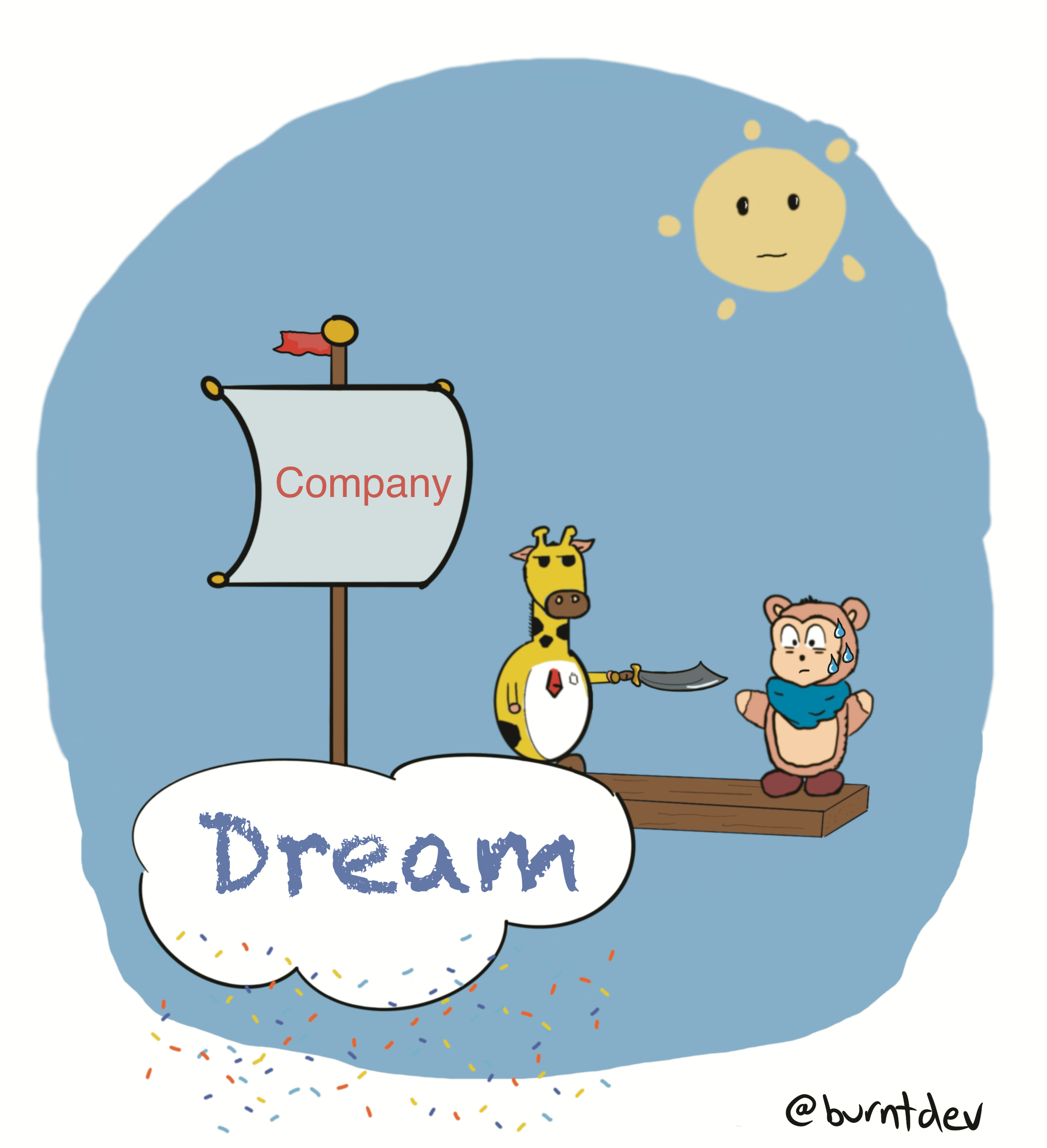
When the company is doing well, this hard truth does not surface. When profitable, the cult lives on with zero disruption. Each employee chooses how invested they are in the dream. Those who champion it best with strong merit are more likely to get promoted because there is a business need to promote when a business is thriving. As a growing business, you need loyal dreamers to help extend the dream across the organization.
However, once a company is not doing well, then who gives a fuck about culture? We gotta cut costs, usually with layoffs. Are you passionate about the dream too? Cool, but make me money first. As my therapist would put it, the workplace can be a war zone. There are survivors and non-survivors. At this point, it depends on which business units have the highest chance of survival. If your product is not aligned with the business need, you likely will be sacrificed for “the greater good”. If you have strong merit and potential but your product doesn’t make revenue, I am sorry. You’re likely at risk of a layoff. This goes back to the hard truth:
“You may adopt a company’s dream, but it was never yours to begin with.”
Given this hard truth, what should we do? I recommend reframing your job as a “two-way” relationship.
Co-own Your Relationship
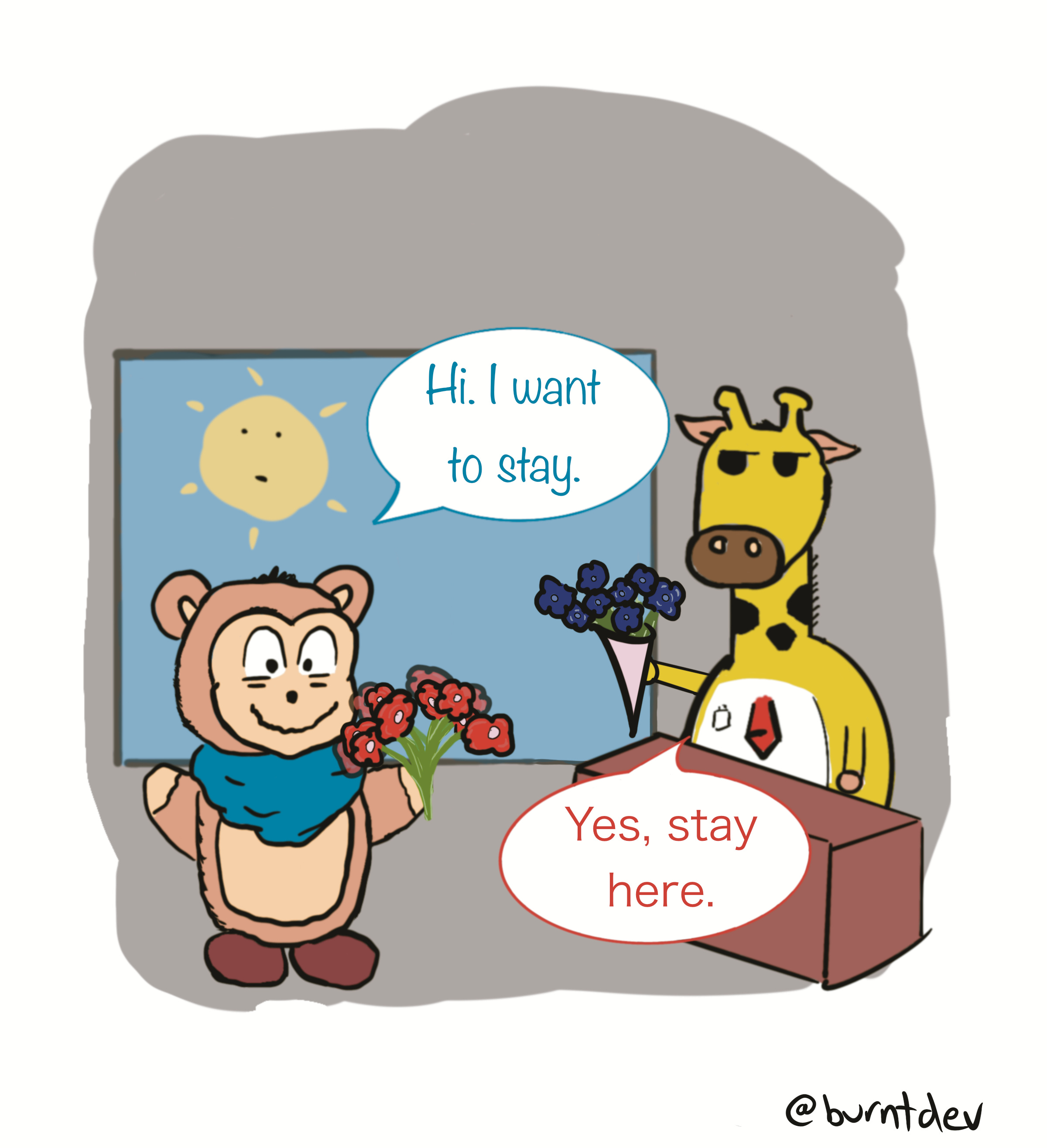
My goal is not to open a can of worms by saying companies are evil. My goal is to challenge your loyalty and sacrifice. Redirect that energy towards yourself. My recommendation is to reframe your perspective of a job. It is your choice to adopt the dream. Perhaps the dream truly aligns with your personal values. It’s ok to adopt a dream. However, make sure to remember that a job is simply a “two-way” relationship. This “two-way” dynamic was no different than your first date with the company. In the early dating phase, you were looking for company fit while the company was looking for employee fit.
Like any relationship, there is a beginning and there can be an end. If you were dating someone, it’s natural to support their dreams. There will be things that you like and dislike. As for the things you dislike, it is up to you on whether to accept them for what they are. If you benefit from the relationship, you choose to stay. Like how you have a choice to keep the relationship, so do they.
If you make a job related decision, it’s for yourself. If the business makes a decision, “It’s nothing personal, it’s business”.
Relationships can change over time so it is a constant evaluation on whether either party still wants to maintain it. You may care for them, but you also care about yourself. Yes, it’s ok to care about yourself. It’s not considered selfish, it’s considered self-care.
Understanding work families
Earlier I made a cynical comment about work families. I want to decouple the concept of a “work family” from the actual human relationship. When you make friends outside of work, it happens under organic circumstances. You likely met them through common interests and usually it is spontaneous. While it’s possible to make friends at work, they are established under inorganic circumstances. The company, as an entity, chooses your environment. The company assigns you to your team mates. It’s not arranged out of spontaneity but with the purpose to benefit the company.
Admittedly, I personally have been lucky to build real friendships in the workplace. However, it’s important to know the difference from friendships and the “work family”.
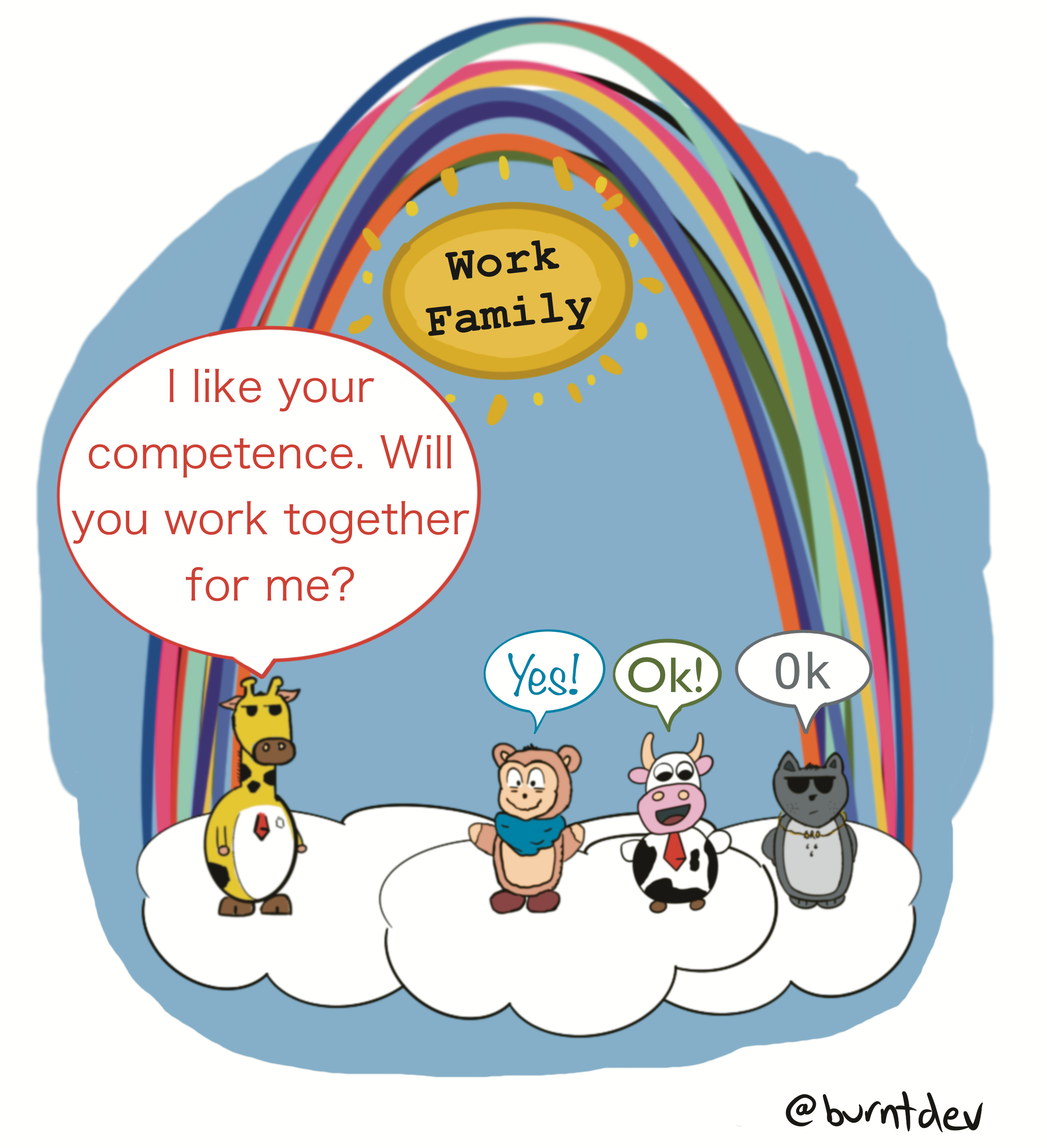
The “work family” is a company construct that benefits the company.
A “friendship” is a human construct that benefits the individual.
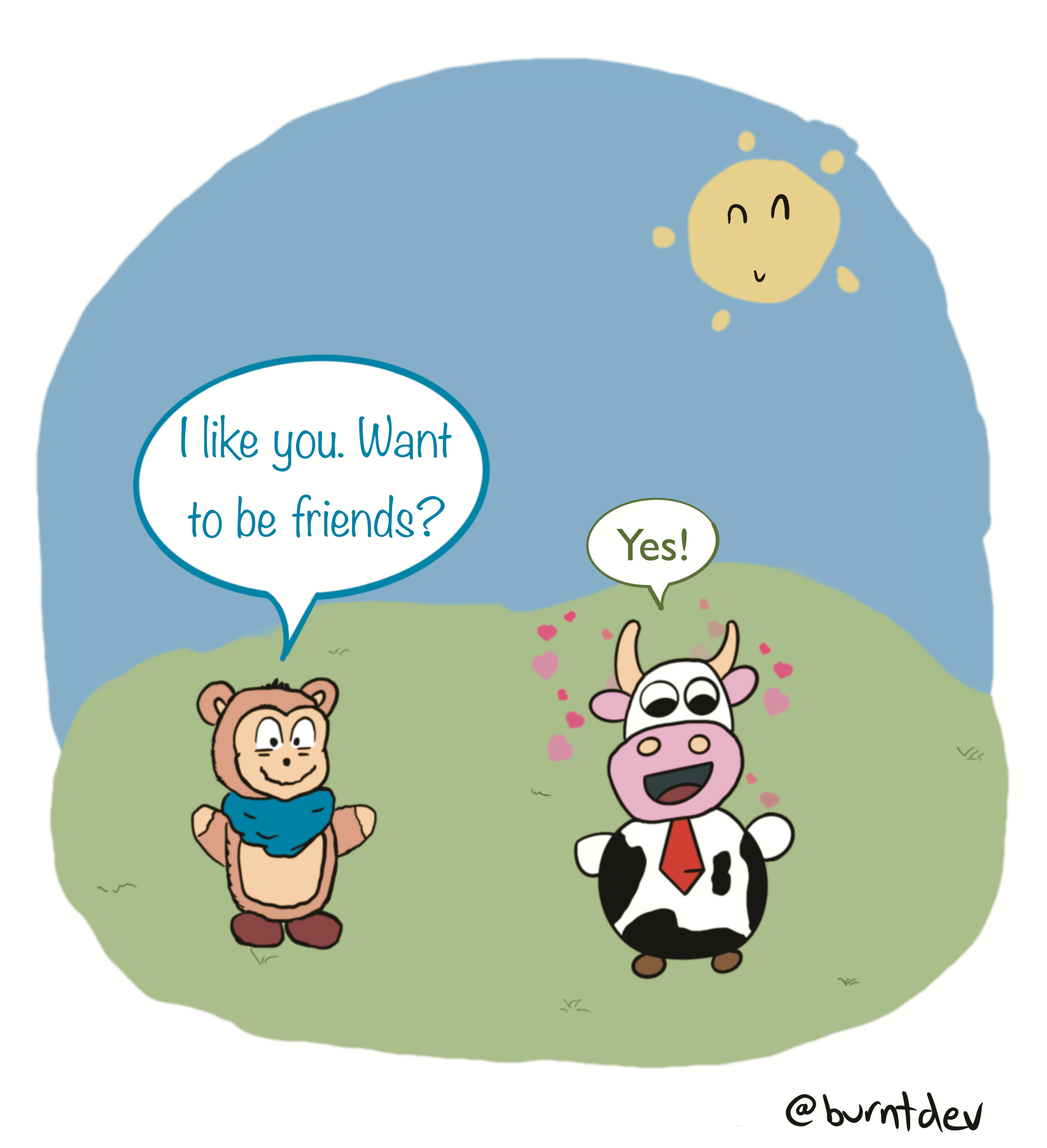
Both types of relationships can exist in the workplace.
I once knew someone who postponed their transition to another company because they wanted to help their work family deliver a company goal when the team was understaffed. This individual was going to get a really nice bonus from their family. As soon as the family discovered the individual was transitioning to another company, that bonus was rescinded. “You’re family until you’re not”. For the interest of the company, that bonus money can be used strategically to retain their remaining loyal family members. “It’s nothing personal... It’s business.”
Layoffs are a huge disrupter to your relationships. You can become friends, showing up to meetings everyday. That simple connection can swiftly end from layoffs. The work family had to prioritize which members to keep for the company business to continue. “You’re family until you’re not.”
In this diagram, see how the two relationships can change over time.
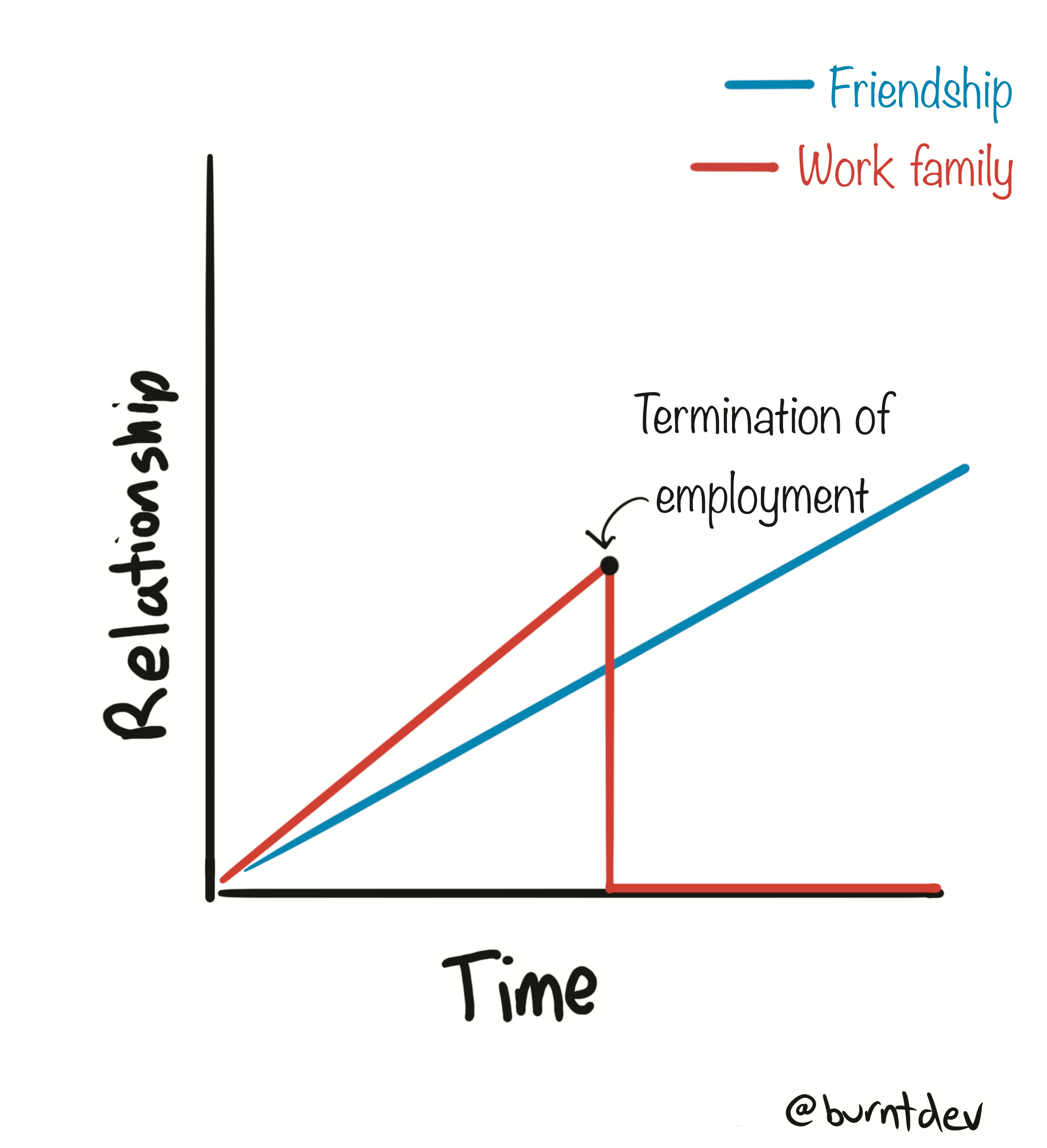
Hopefully this diagram shows how much the “work family” construct behaves under inorganic circumstances. So, do work families still deserve your loyalty and sacrifice?
Friendships, on the other hand, can still flourish. Some people in your “work family” may transition into genuine friendships. As mentioned, I’ve built meaningful friendships that scope outside of the workplace. Sometimes you are lucky to find a community that is your support system. Sometimes it’s the community that may recommend you for your next job.
It’s common that majority of the “work family” do not transition to friendships, and that’s ok. There’s nothing wrong with that because it was just a professional relationship.
Breaking up from your relationship
If you can reframe a job as a “two-way” relationship, then you can also reframe termination of employment as a breakup. You would be lucky to have closure in the end. It’s easier to establish closure if you’re the one leaving. When the company breaks up with you, they have more leverage on closure. Cutting costs can be their reason. And just like any breakup, it can be hard to accept the reason but it’s still some kind of closure.
Am I still hurt from being laid off? Of course! I did some of my best work. Breakups can be difficult, but oddly enough, you will experience gratitude once the dust settles.
During the relationship, I did meet several great human beings. Some of them became friends. I also grew a lot in different aspects of my career. Just like romantic relationships I had in the past, I am grateful for the opportunity to grow in the process. And with every upcoming relationship, all we can do is learn and grow from our experiences.
Final Thoughts
I’ll admit a part of this article is just to say that layoffs suck. There’s no escape from them in any industry. While companies layoff people to survive, it is the individuals who are left with mental and emotional trauma. If you can understand the relationship you have with a company, it’s easier to move on and to take back control of what’s best for you.
A company’s dream is theirs alone. During your relationship with a job, it’s your choice to stay or leave. Companies have that same choice. As loyal as you may be, it may not always be rewarded. Like romantic relationships, sometimes one party is more into it than the other. Sometimes these relationships are well balanced. Sometimes they are mutually beneficial until one has conflicting priorities.
So what can you do for yourself? Can you find something in the relationship where you are benefiting yourself? Will you stop sacrificing for another person’s dream? Can you remember that a job is a relationship so that if it ends abruptly, you can reframe the situation in such a way where it’s a little easier to heal and move on?
If you can remain loyal to yourself, if you can shape the needs of the company to benefit you, then perhaps one day you can then say to the company: “It’s nothing personal, it’s just business”.