


Group Project
Remember group projects?

You know, the ones back in school.

Your teacher announces it with a smile as if it was a treat.
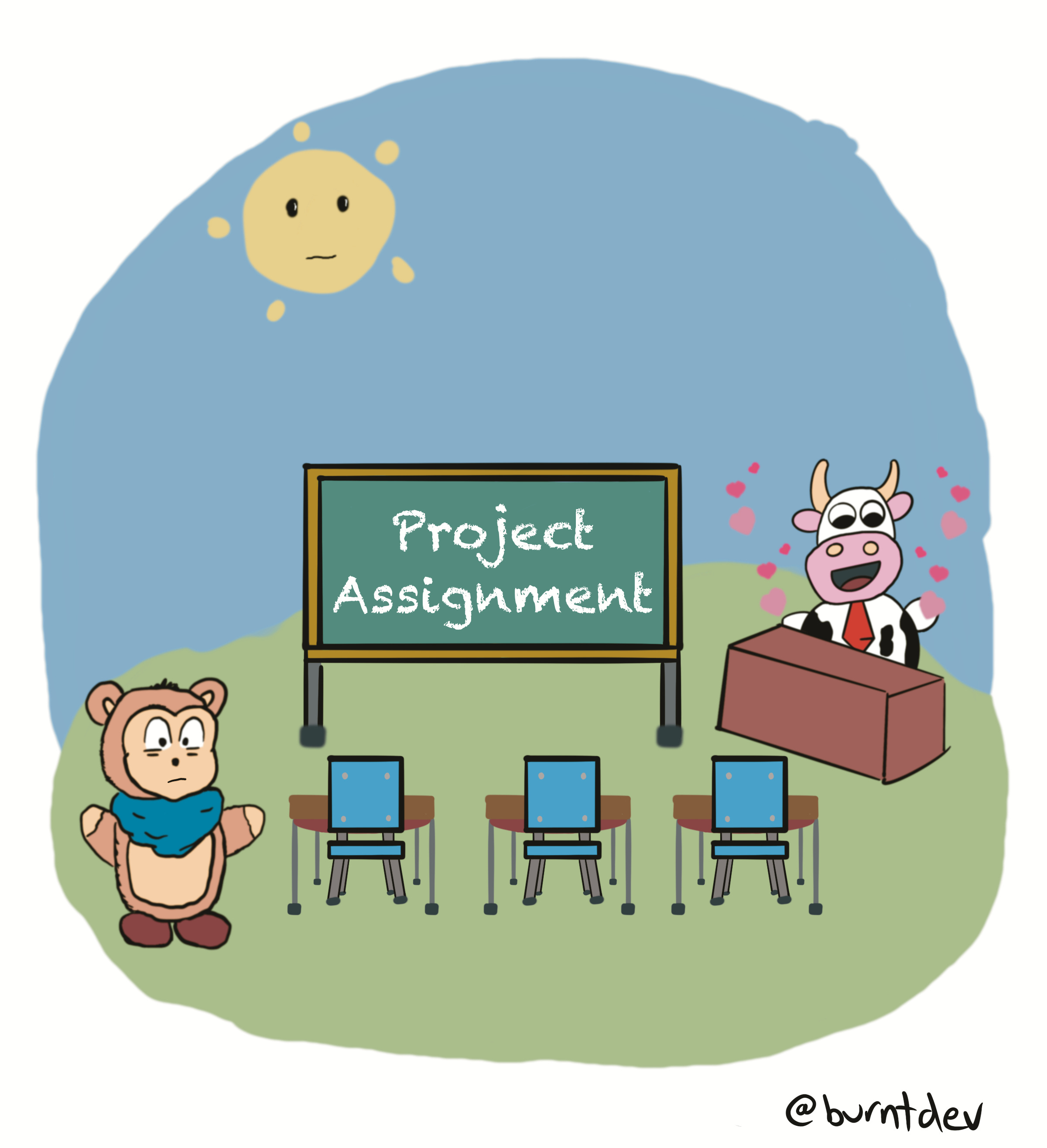
You scan the room, hoping to make eye contact with those who you trust. But then you get assigned this team instead.
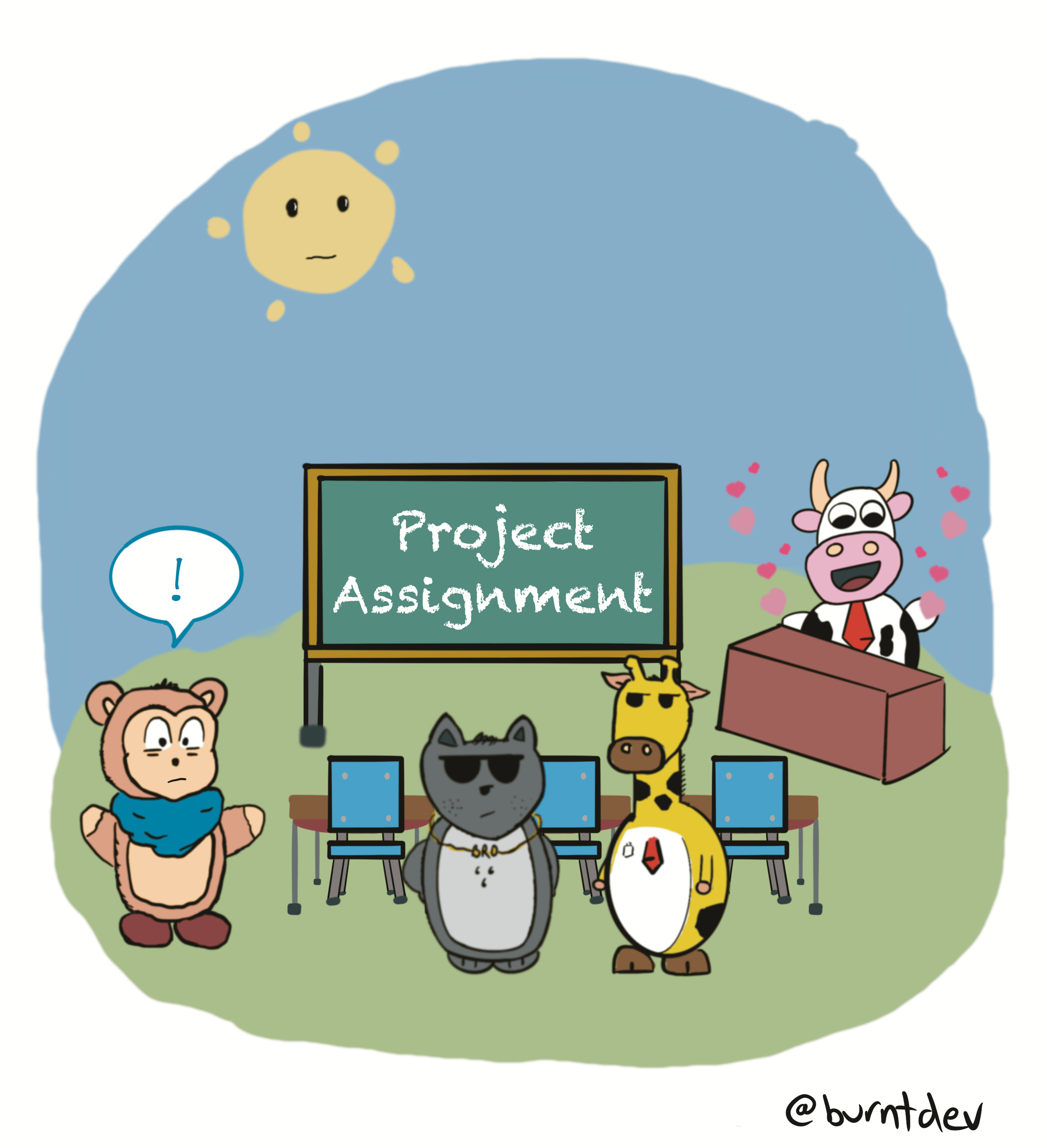
You look at them. They look at you. Someone cracks a joke. Everyone laughs. Then it’s silent. It remains silent. Oh my, why is it still silent!?
The grade is shared equally and it’s up to your group on how you execute.
Zero guidelines given. You are an over achiever. The others are procrastinators.
Two weeks before the deadline…
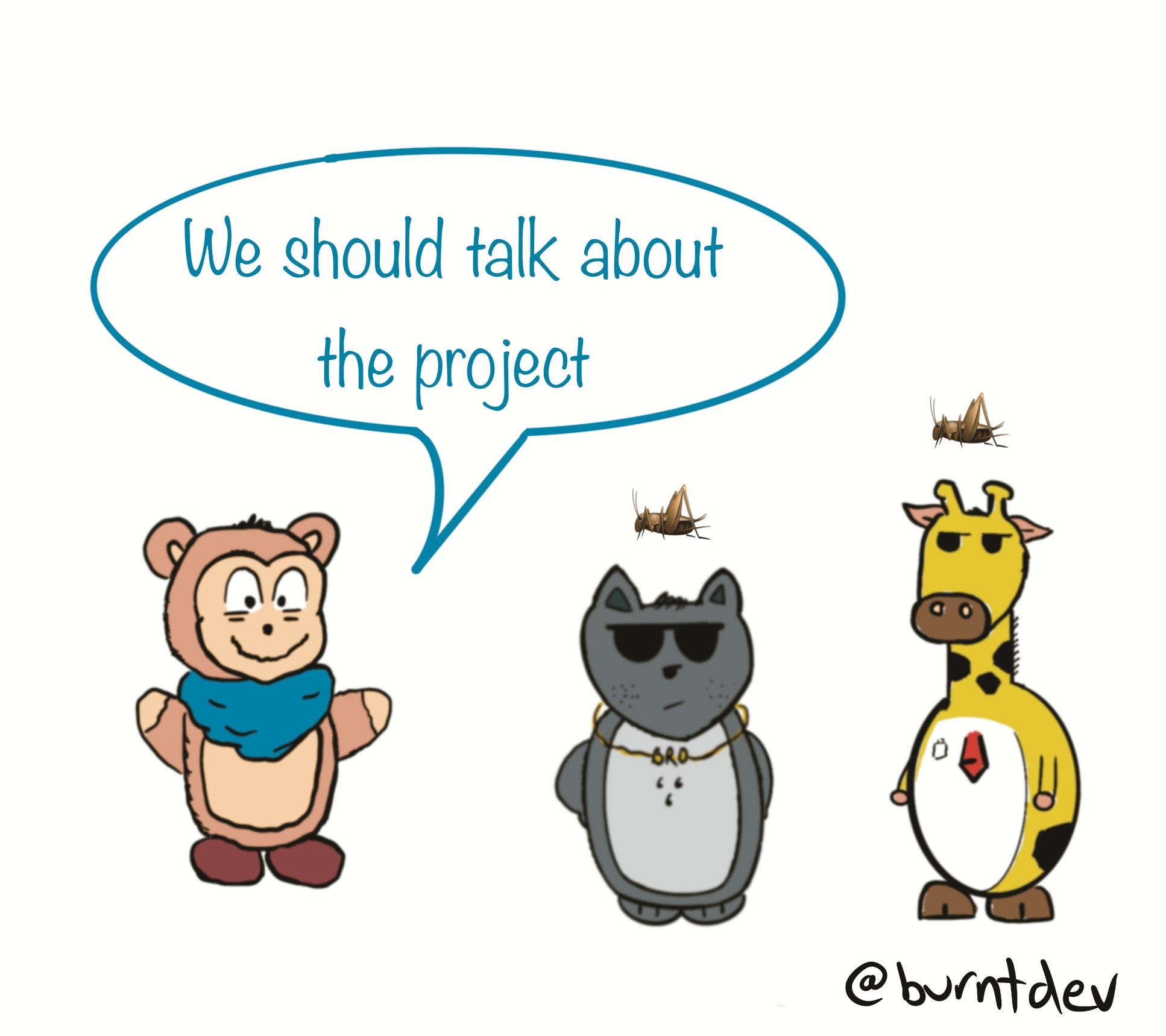
One week before the deadline…
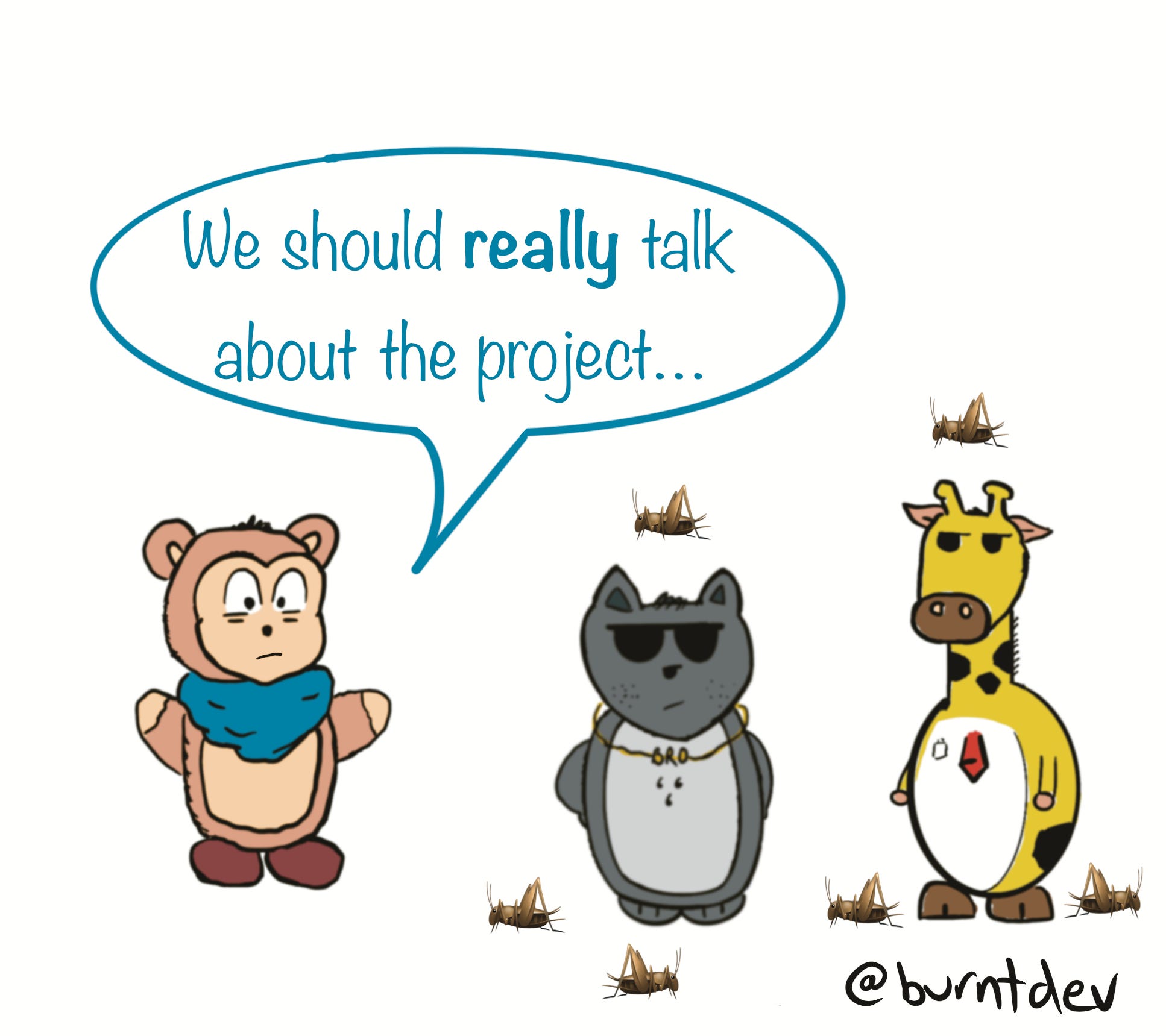
Days before the deadline…
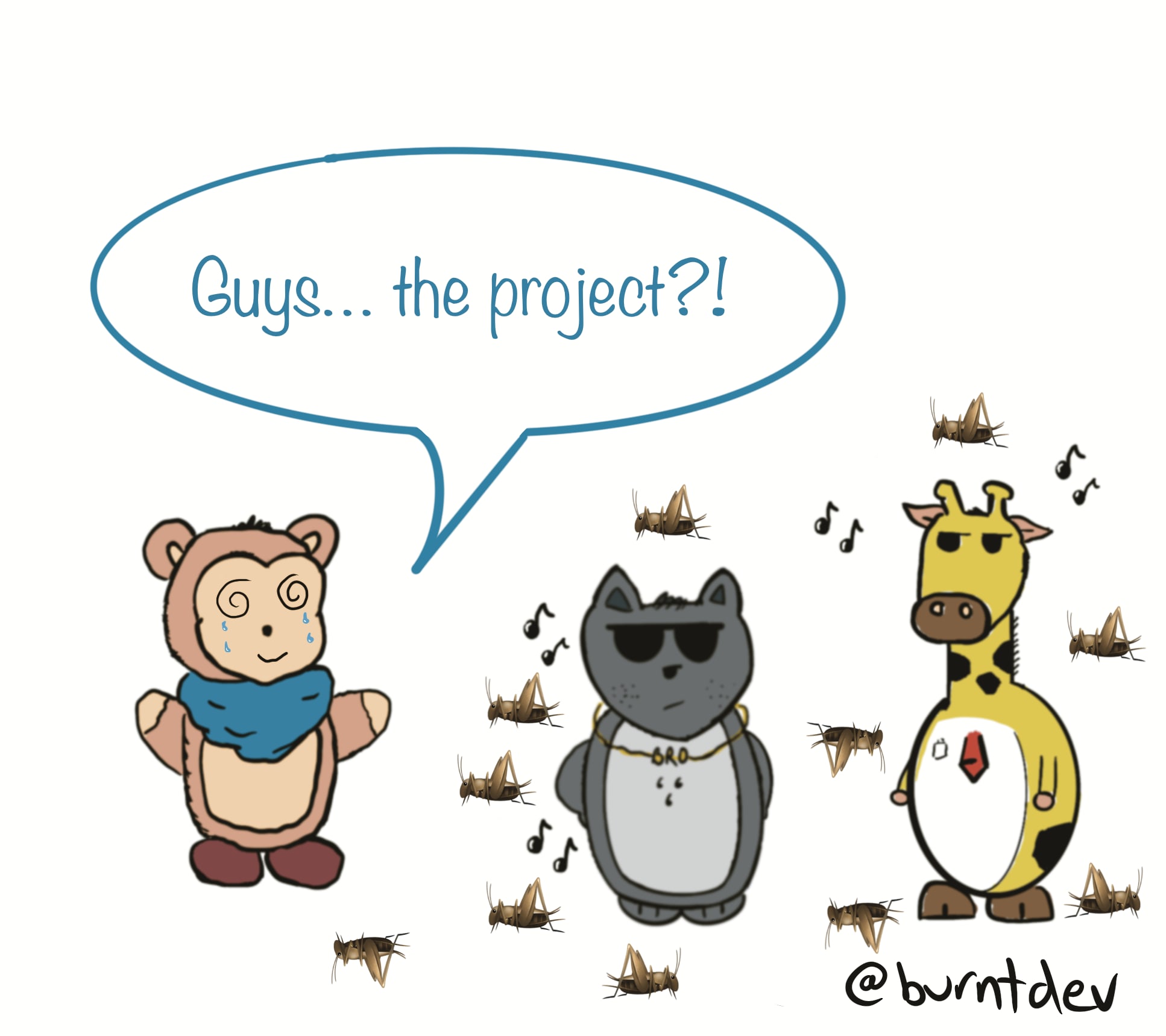
No one takes initiative. No one defines roles. No one splits the work. It feels like an unplanned game of chicken. Who will lift up the pen and start on the work?
As the over-achiever, you think to yourself, “It’ll just be this one time” that you carry the team to completion.
You submit the project. You get a good grade. Then your team says:
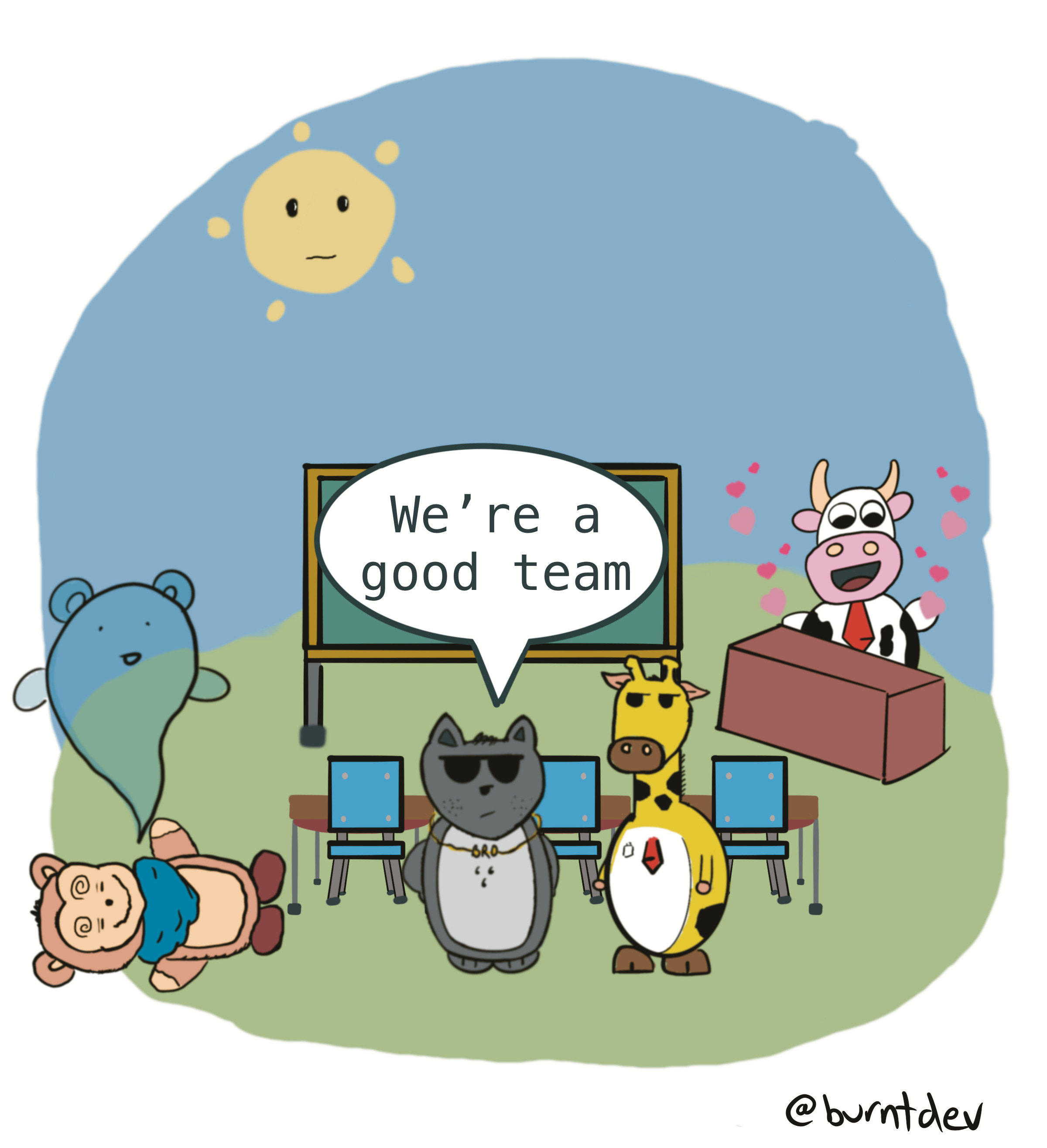
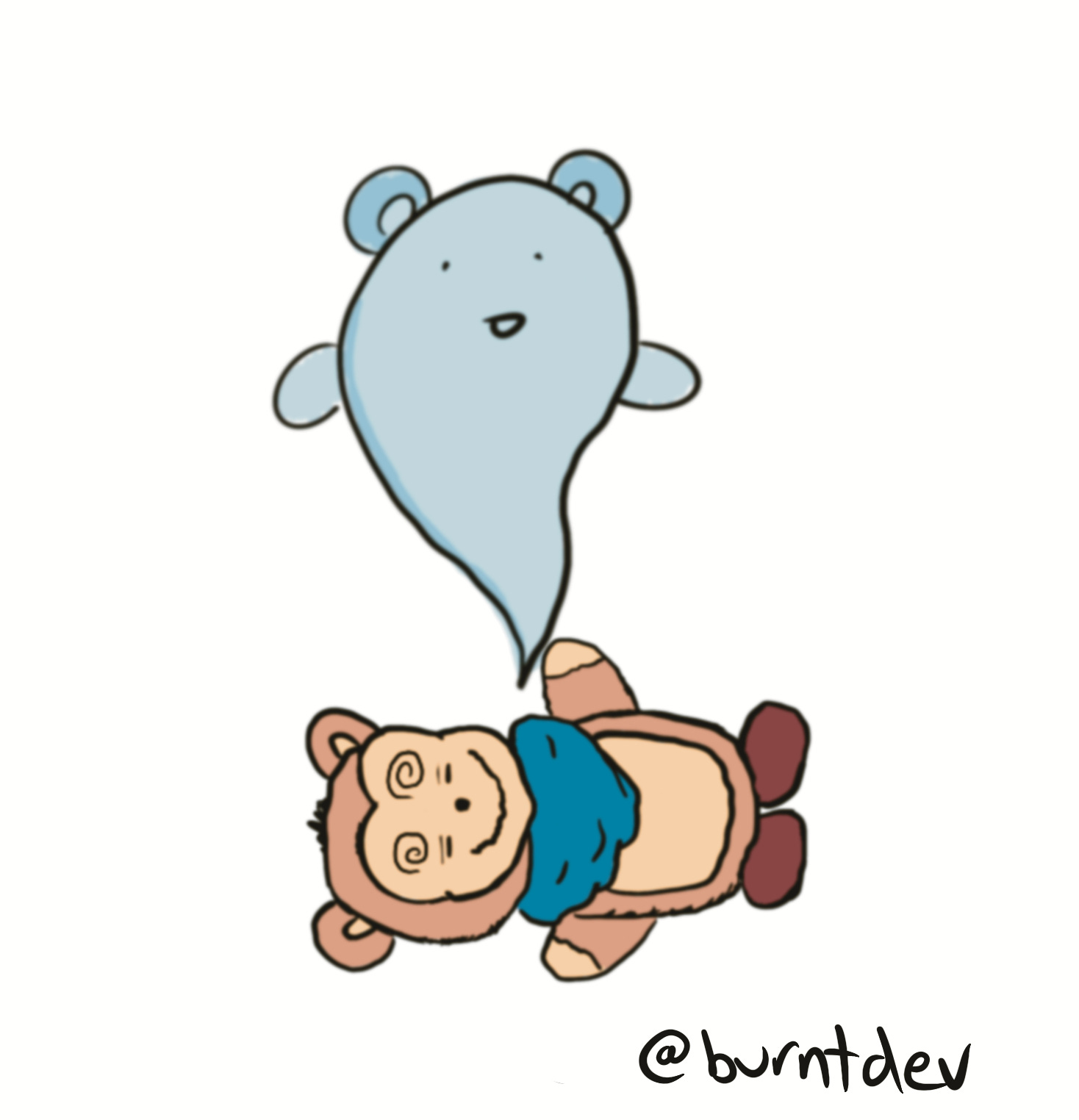
“Absolutely not a great team”, you think to yourself as you quietly snap.
Little did you know, as an emerging adult, you demonstrated “Extreme Ownership”
Extreme Ownership
In your career, you may have heard this term thrown around. It is a general philosophy where leaders take responsibility for team delivery. They protect the team. When the team is successful, it is the team’s shared success. If the team fails, it is the leader’s fault.
As a team member, it sounds great. If your leader is the one taking the fall, you feel psychological safety. Safety leads to more transparency across the team and to more focus on team performance.
On paper it sounds like the perfect strategy for company-wide performance. If you’re surrounded by extreme owners, the team synergy is balanced. Everyone shares the burden of filling the gaps that lead a group project to completion. Leaders as a result benefit as there’s less need for supervision on the daily team execution.
If you are an extreme owner yourself, you expect to be rated as a high performer with high potential. Those who exercise it well tend to have promising careers.
On paper, extreme ownership sounds like the perfect leadership philosophy.
In practice, however, the experience can feel very different.
The Curse of Group Projects
The curse isn’t the group project itself. It’s what happens when you’re held responsible for the outcome but have no authority over the people doing the work. When I started as a Senior Engineer, I struggled working in team projects. Although I did my tasks, I would be held responsible when deadlines were missed. Why did I miss them? Usually it was through miscommunication of expectations around team members and external dependencies.
Every time I tried explaining this, my manager shuts it down with the same analogy:
“If you hired contractors to paint your house and they missed the deadline because one of them overslept, would you accept that excuse? As their client, the answer is no. You wouldn’t.”
I heard this so many times that it’s a part of how I think today. The message was clear: I own outcomes, not excuses.
So I stopped making excuses. Instead, I started filling gaps. If someone dropped the ball, I would pick it up. If a task was falling behind, I absorbed it. I told myself it was leadership. In reality, I was recreating the group project. However, the stakes were higher. My livelihood depended on me doing a good job.
The problem wasn’t the workload. It was that I had taken responsibility without authority. I couldn’t tell people what to do. I could only do it myself.
That’s the curse.
I used to tell myself that once I became a manager, it would all change. More authority meant more control. The curse would be finally broken.
I did eventually become a manager. And I was wrong.
The “group project” doesn’t disappear. It just operates on a higher scale. Now your teammates may be fellow leaders, other teams, other agendas. Everyone is accountable to their own priorities, but not accountable to yours.
The curse lives on.
Extreme ownership cuts both ways.
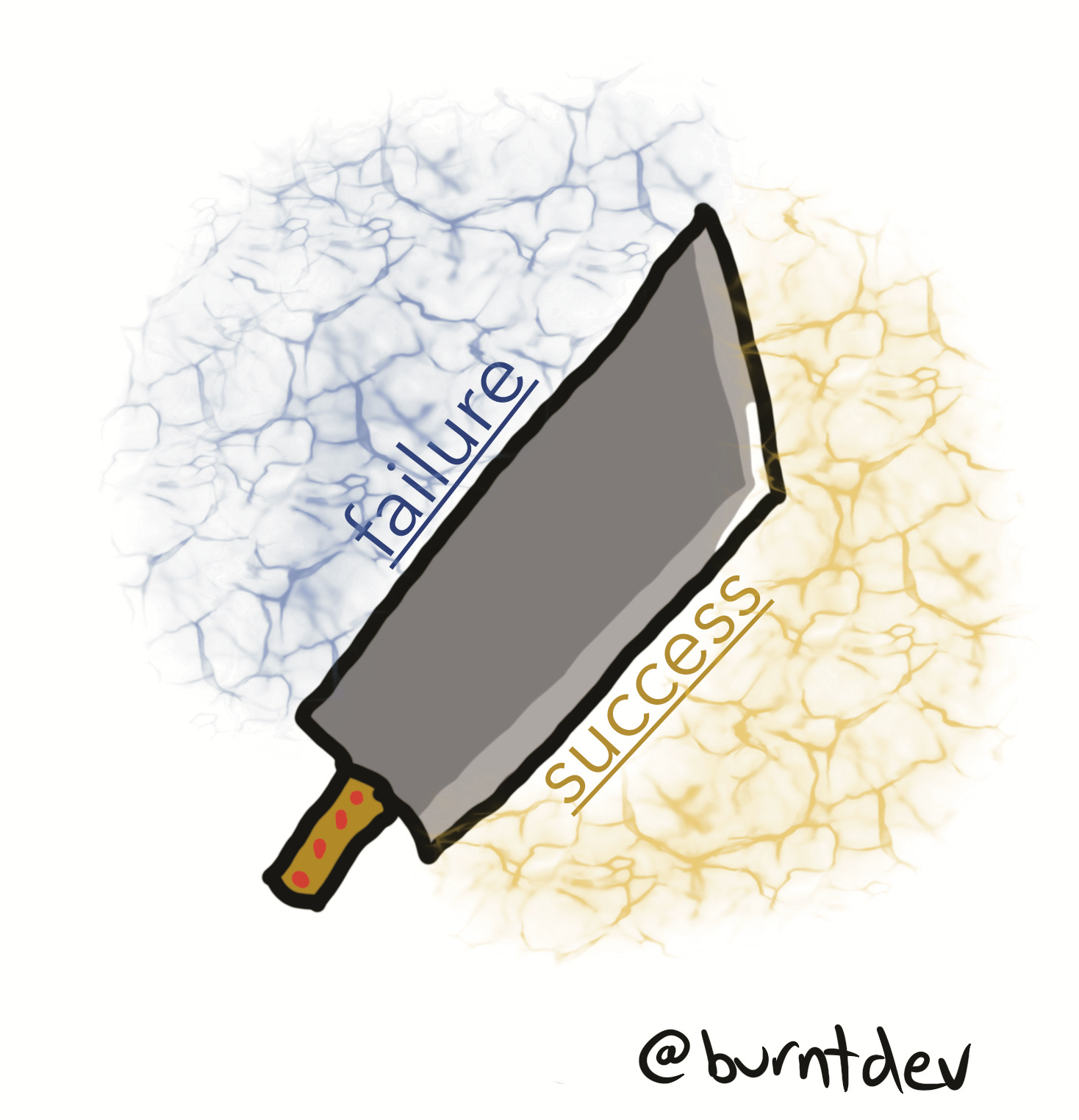
Swing in the right direction, projects succeed. People grow. The organization moves forward and the team shares the credit.
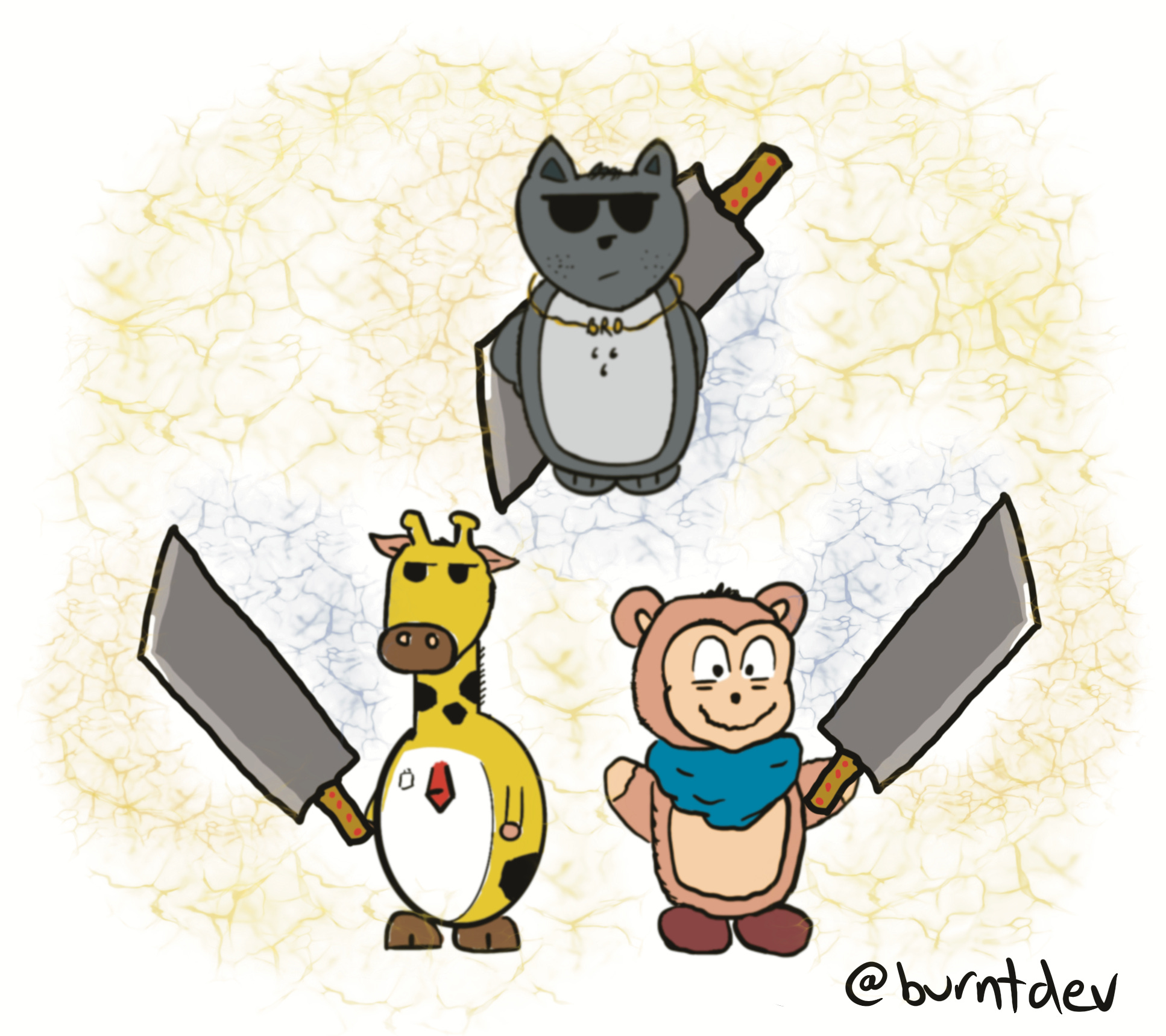
If you swing it the wrong direction, the project fails. Upper management does not look at the balls dropped. They do not look at the misaligned priorities or the silent teammates. When the outcome is bad, they look at the one who wields the sword.
You’re damned if you do and you’re damned if you don’t.
Alone with the sword, you internalize everything. You self-criticize. You just absorb. Then quietly, without realizing it, you stop leading and start surviving. You put on your “game face”. You convince others you have everything under control. Underneath it all, you’re really trying to convince yourself the same.
This is where extreme ownership breaks down. Not because the philosophy is wrong, but because it was never meant to be carried alone.
I’ve wielded this double edge sword for the past decade. I’ve burned out more times than I can count. Oddly enough, I still genuinely believe in ownership. I really do. My past manager’s analogy remains a mantra that I hold deeply throughout any project.
So what changed for me? I still don’t have authority over everything. What will break this curse? Accountability.
“Once you separate accountability from authority,
there are less barriers to get things done.”
For example, say another team is blocking your project. You don’t need authority to address it. You simply state the facts: here is the risk, here is the deadline, and here is what needs to happen. You’re not issuing orders. You’re making the problem visible and asking someone to own it. Most of the time, that’s enough.
That’s the shift. From absorbing everything yourself, to naming what needs to be owned and by whom.
After this hard earned realization, you learn that others should be owners too. You don’t need permission to hold people accountable. With this mindset, you’ll no longer feel isolated again.
That’s the difference between extreme ownership as a burden and extreme ownership as actual leadership.
Final thoughts
To this day, I am an extreme owner. I’m sure that sounds strange. Everything I described may have scared you away from it.
What I learned was that extreme ownership is not the problem. Yes, it is still a double edge sword to some degree. It just depends on how you use it.

If mis-used, it’s exhausting and isolating. When used well, it is extremely powerful for the team. It comes down to whether accountability is shared or not.
I also learned something else too. Companies quietly depend on extreme owners. When one person can absorb the slack of an understaffed team, there’s less pressure to hire. There’s also less pressure to fix broken processes. There’s less of a need to address any structural problems if the outcomes yield positive results.
I like to call it corporate shrinkflation. Same output. Fewer resources. Nobody talks about what it costs.
So should extreme ownership be an expectation? Considering the mental toll it can take on people, I certainly hope not. However, if you find yourself in that position, and chances are you will, the most important thing you can do is to stop carrying the sword alone.
“Without accountability, extreme ownership becomes unjustifiable self-blame.”
“Extreme ownership alone is dangerous.”
“Extreme ownership with accountability is sustainable leadership.”